993 · Buyer's guide
Porsche 993 Turbo S buyer's guide
The Porsche 993 Turbo S was built from 1997 to 1998, 336 of them (Built by the Sonderwunsch department in 1997 and 1998. Other Porsche pages give 345 and 435; we show the lowest). What sets the Turbo S apart comes first, then the 993 problems to check on any car.
Last reviewed 25 October 2026. Each point links the page it comes from.
By Jon Kennedy, Porsche Enthusiast
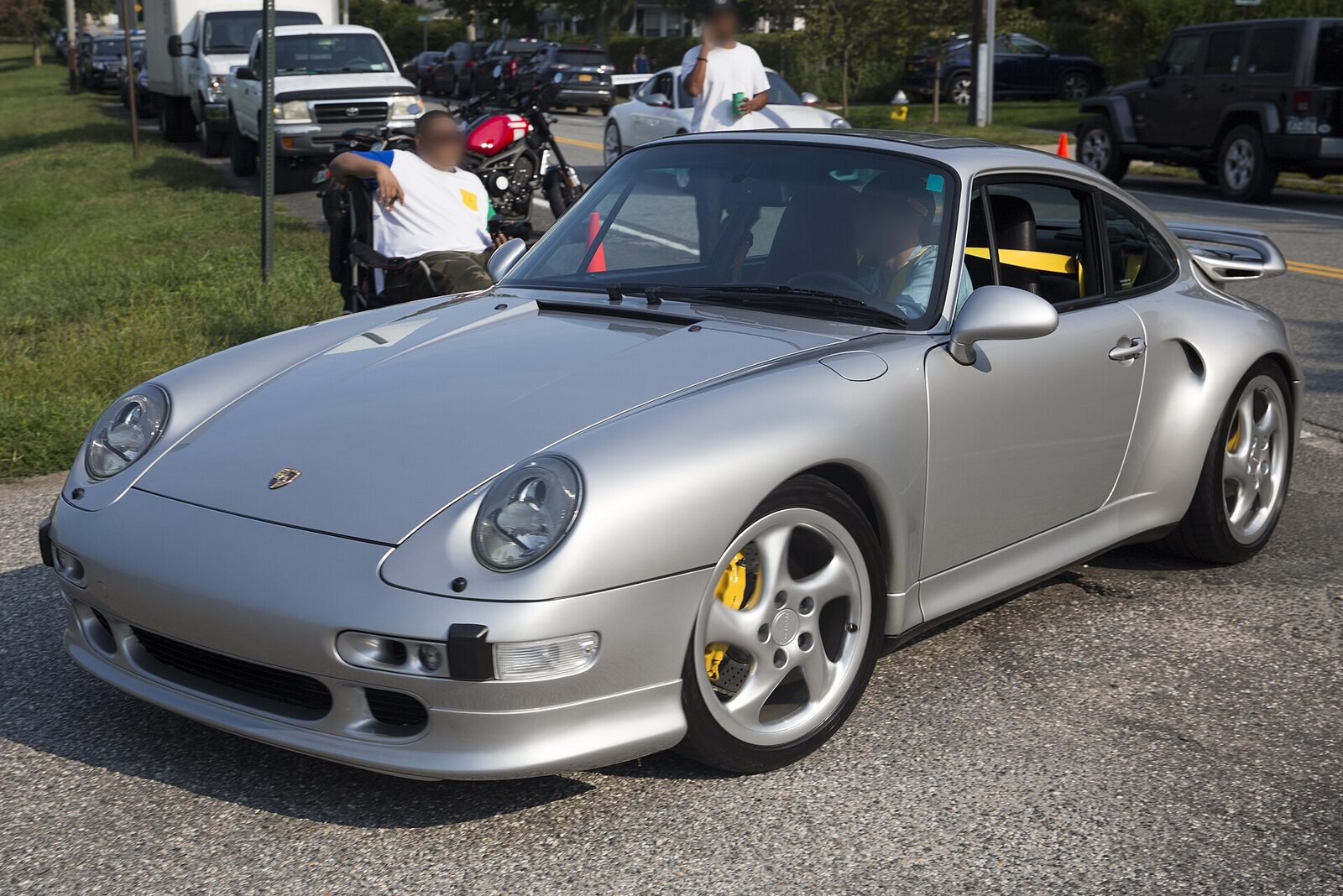
A 1997 Porsche 911 Turbo S of the 993 generation in Arctic Silver Metallic with black leather.
Do this next
What's different about the Porsche 993 Turbo S?
Built by Porsche Exclusive in 1997-98 with the WLS II power upgrade to 450 PS. Porsche's own figures disagree: one page says 336 were built, another 435.[1][2]
Identifiers include air intakes in the rear side panels (the first 911 to have them), extra front openings for brake cooling, an aero kit with front and rear spoilers, four tailpipes, suspension lowered by 15 mm, and leather and carbon throughout the interior with 'turbo S' script even on the door handles.[1][2]
Which 993 problems should you check on a Turbo S?
The 993 guide covers the problems every car shares, each with what to look for and its sources:
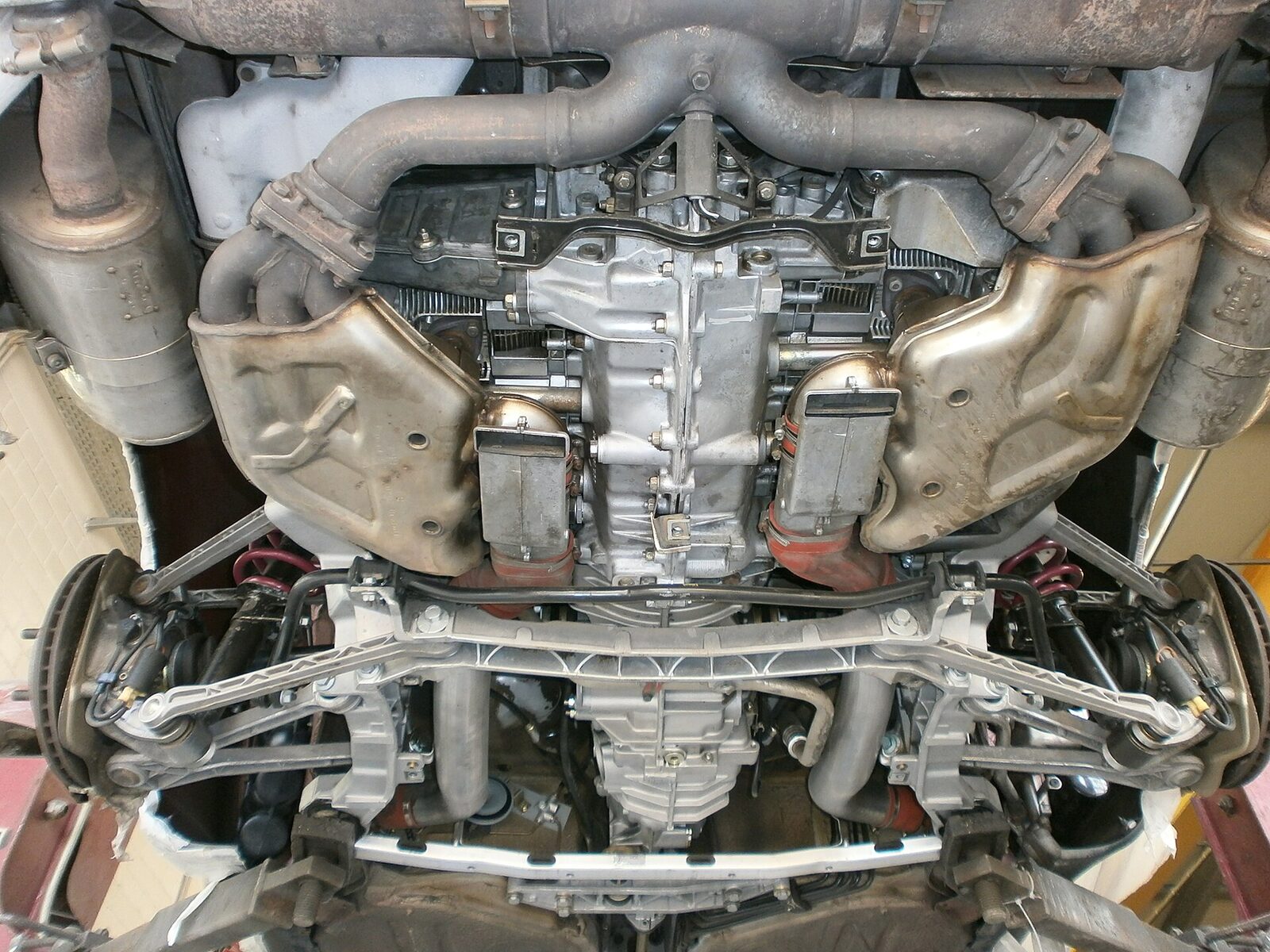
A 993 engine from below in standard condition: this is where leaks from the lower cam covers, main seals and oil lines show.
Questions
The Porsche 993 Turbo S was built from 1997 to 1998.
336: Built by the Sonderwunsch department in 1997 and 1998. Other Porsche pages give 345 and 435; we show the lowest, according to Porsche Newsroom: Porsche 911 Turbo S history.
Built by Porsche Exclusive in 1997-98 with the WLS II power upgrade to 450 PS. Porsche's own figures disagree: one page says 336 were built, another 435.
Then take the printable 993 checklist with you when you see the Turbo S: it lists the problems every 993 shares.
For a Turbo S, start with the 19 993 specialists in our directory who offer pre-purchase inspections.