Early 911 · Buyer's guide
Porsche 911 T/E/S (2.4L) buyer's guide
The Porsche 911 T/E/S (2.4L) was built from 1972 to 1973. What sets the 911 T/E/S (2.4L) apart comes first, then the Early 911 problems to check on any car.
Last reviewed 25 October 2026. Each point links the page it comes from.
By Jon Kennedy, Porsche Enthusiast
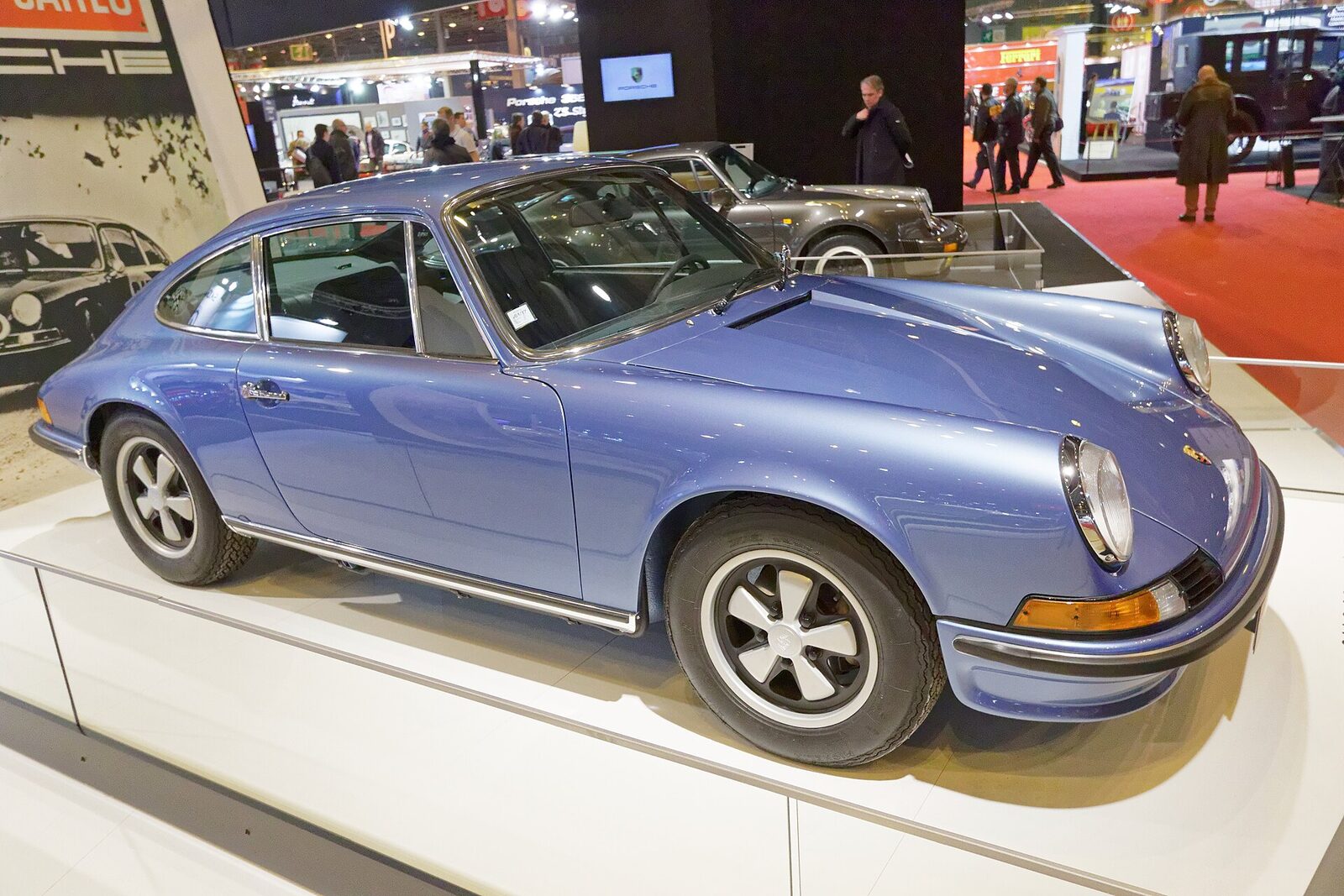
A 1973 Porsche 911 S 2.4 coupé at the Rétromobile show in Paris in 2015.
Do this next
What's different about the Porsche 911 T/E/S (2.4L)?
The 2.4 (2,341 cc) arrived for the 1972 model year with 190bhp (S), 165bhp (E) and 130bhp (T), while US T cars had injection and 140bhp.[1][2][3]
The 2.4 cars got the 915 gearbox without the dogleg first gear. Classic & Sports Car says it is stronger, but Porsche Club GB names its 2nd and 3rd gear synchros as a weak area.[1][2]
1972 cars have an external oil-filler flap above the right rear wheel, unique to that year because filling stations kept putting petrol in it. Check that a car presented as a 1972 has it, or as a 1973 does not.[1]
Which problems apply to the Porsche 911 T/E/S (2.4L) in particular?
Which Early 911 problems should you check on a 911 T/E/S (2.4L)?
The Early 911 guide covers the problems every car shares, each with what to look for and its sources:
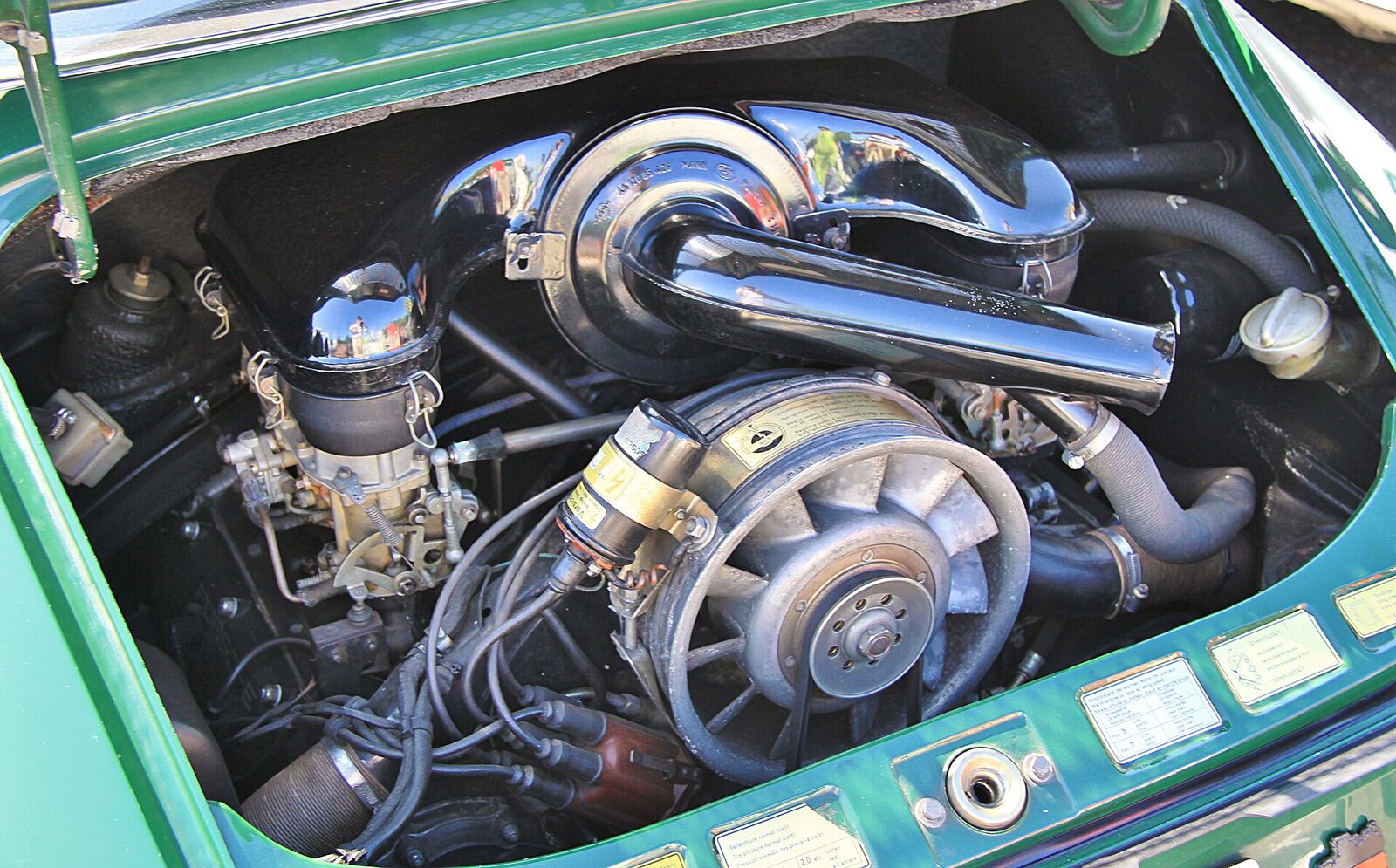
The 2.2-litre Type 901/03 flat-six of a 1971 Porsche 911T: check the engine and the ground under it for oil leaks before you buy.
Questions
The Porsche 911 T/E/S (2.4L) was built from 1972 to 1973.
The 2.4 (2,341 cc) arrived for the 1972 model year with 190bhp (S), 165bhp (E) and 130bhp (T), while US T cars had injection and 140bhp.
On the 911 T/E/S (2.4L) in particular: magnesium crankcase condition; mechanical fuel injection set-up. Then take the printable Early 911 checklist with you when you see the 911 T/E/S (2.4L): it lists the problems every Early 911 shares.
For a 911 T/E/S (2.4L), start with the 18 Early 911 specialists in our directory who offer pre-purchase inspections.