Early 911 · Buyer's guide
Porsche 911 ST buyer's guide
The Porsche 911 ST was built from 1969 to 1972. What sets the 911 ST apart comes first, then the Early 911 problems to check on any car.
Last reviewed 29 October 2026. Each point links the page it comes from.
By Jon Kennedy, Porsche Enthusiast
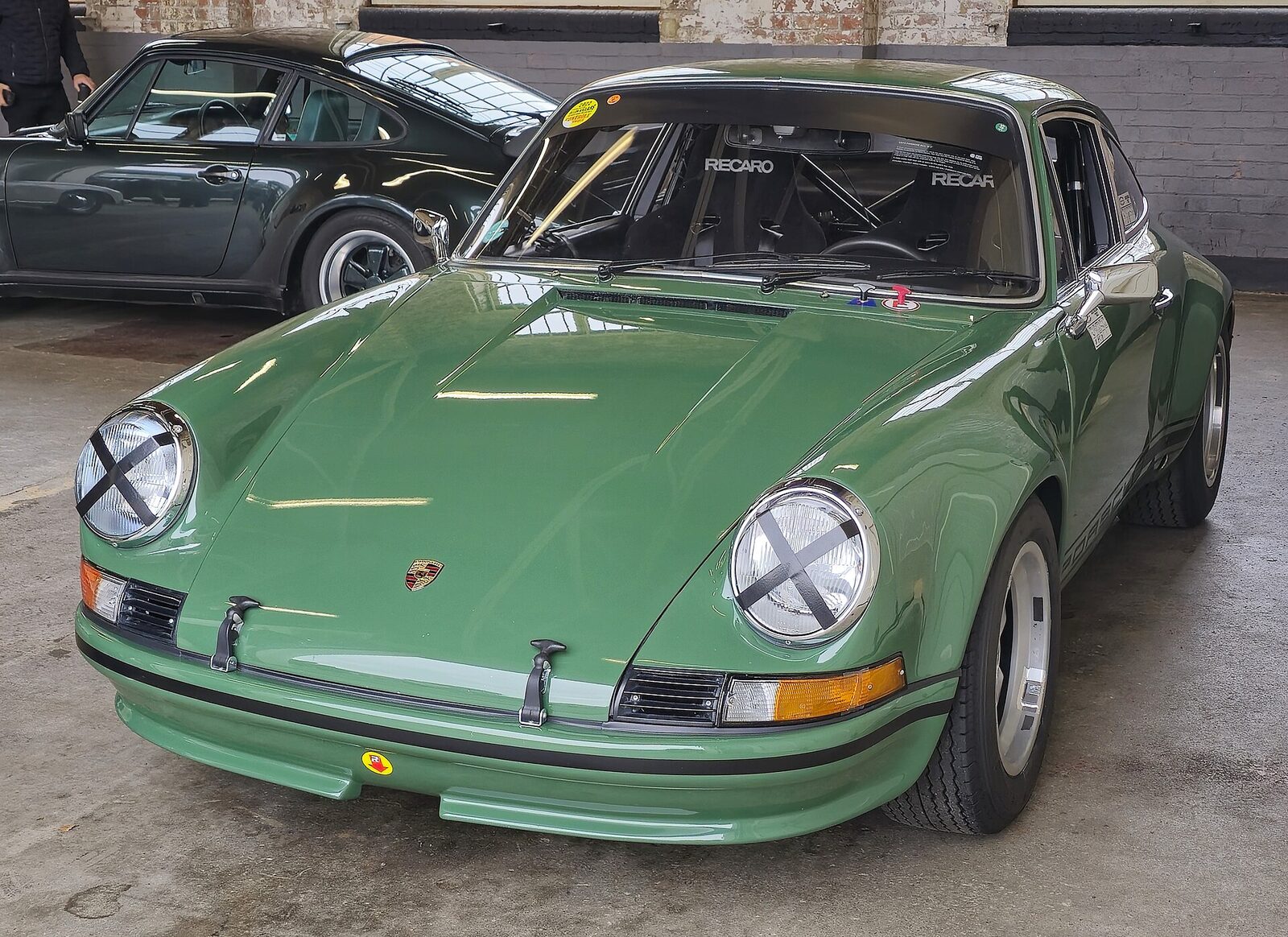
Not a factory ST: a 1972 911 2.4 S converted to the S/T look. The flares and stripped cabin can be copied; the equipment numbers in the factory record can't.
Do this next
What's different about the Porsche 911 ST?
Officially it was still a 911 S: to avoid type approval for a new model, Porsche homologated the 911 S with the 2.2-litre engine and the 911 T's reduced interior for FIA Group 3, and called it the 911 ST only internally. Plexiglas windows and aluminium and glass-fibre body parts cut the weight.[1][2]
From October 1970 dealers could order it as a road-legal Sport Standard Version under equipment number M471, the 'Mehr-Minder' (more-less) package. The circuit racing version was M491 and the rally version M494.[1][2]
Which problems apply to the Porsche 911 ST in particular?
Which Early 911 problems should you check on a 911 ST?
The Early 911 guide covers the problems every car shares, each with what to look for and its sources:
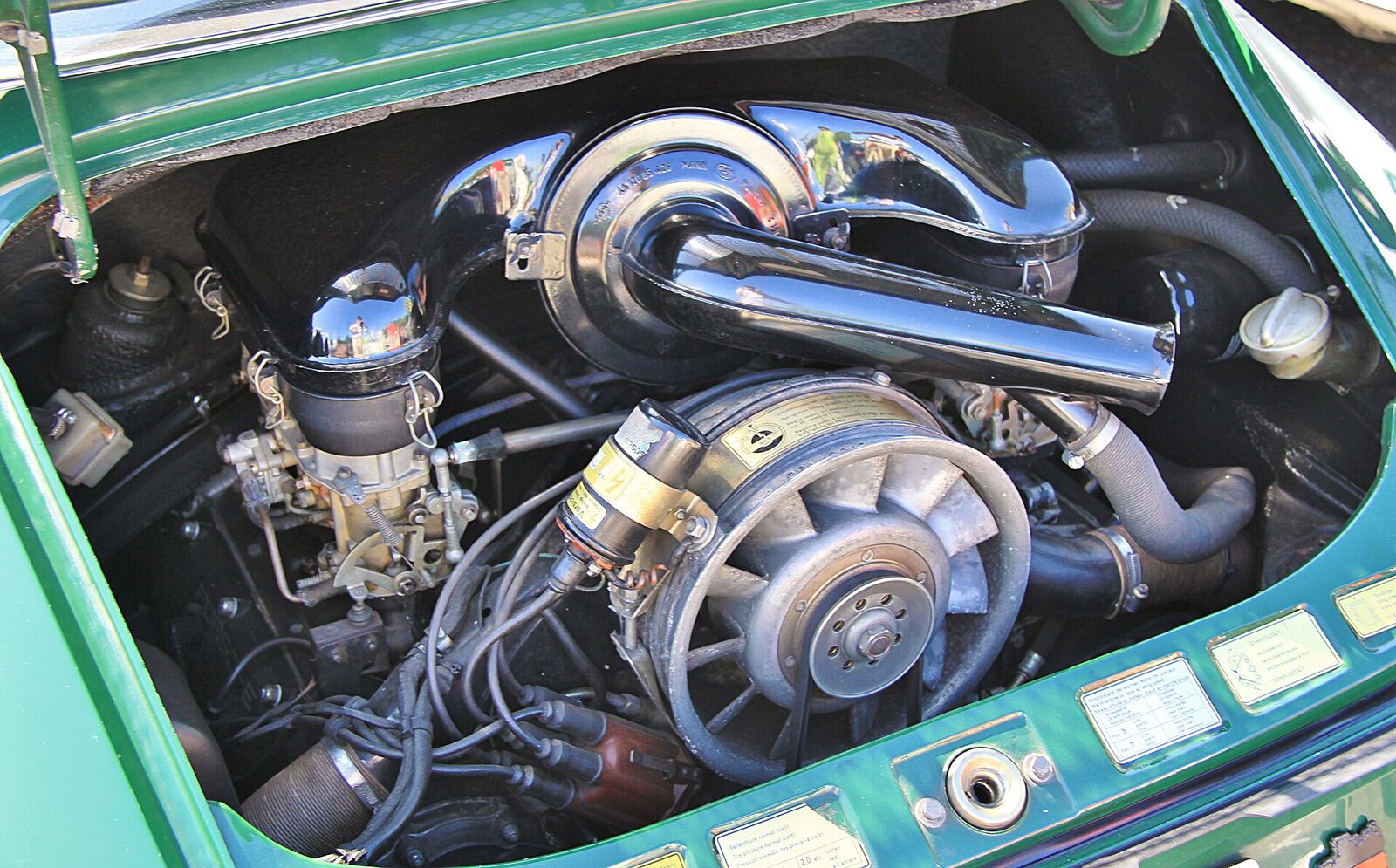
The 2.2-litre Type 901/03 flat-six of a 1971 Porsche 911T: check the engine and the ground under it for oil leaks before you buy.
Questions
The Porsche 911 ST was built from 1969 to 1972.
Officially it was still a 911 S: to avoid type approval for a new model, Porsche homologated the 911 S with the 2.2-litre engine and the 911 T's reduced interior for FIA Group 3, and called it the 911 ST only internally. Plexiglas windows and aluminium and glass-fibre body parts cut the weight.
On the 911 ST in particular: telling a real ST from a 911 S built to look like one. Then take the printable Early 911 checklist with you when you see the 911 ST: it lists the problems every Early 911 shares.
For a 911 ST, start with the 18 Early 911 specialists in our directory who offer pre-purchase inspections.