Early 911 · Buyer's guide
Porsche 911 S (2.0L) buyer's guide
The Porsche 911 S (2.0L) was built from 1967 to 1969. What sets the 911 S (2.0L) apart comes first, then the Early 911 problems to check on any car.
Last reviewed 25 October 2026. Each point links the page it comes from.
By Jon Kennedy, Porsche Enthusiast
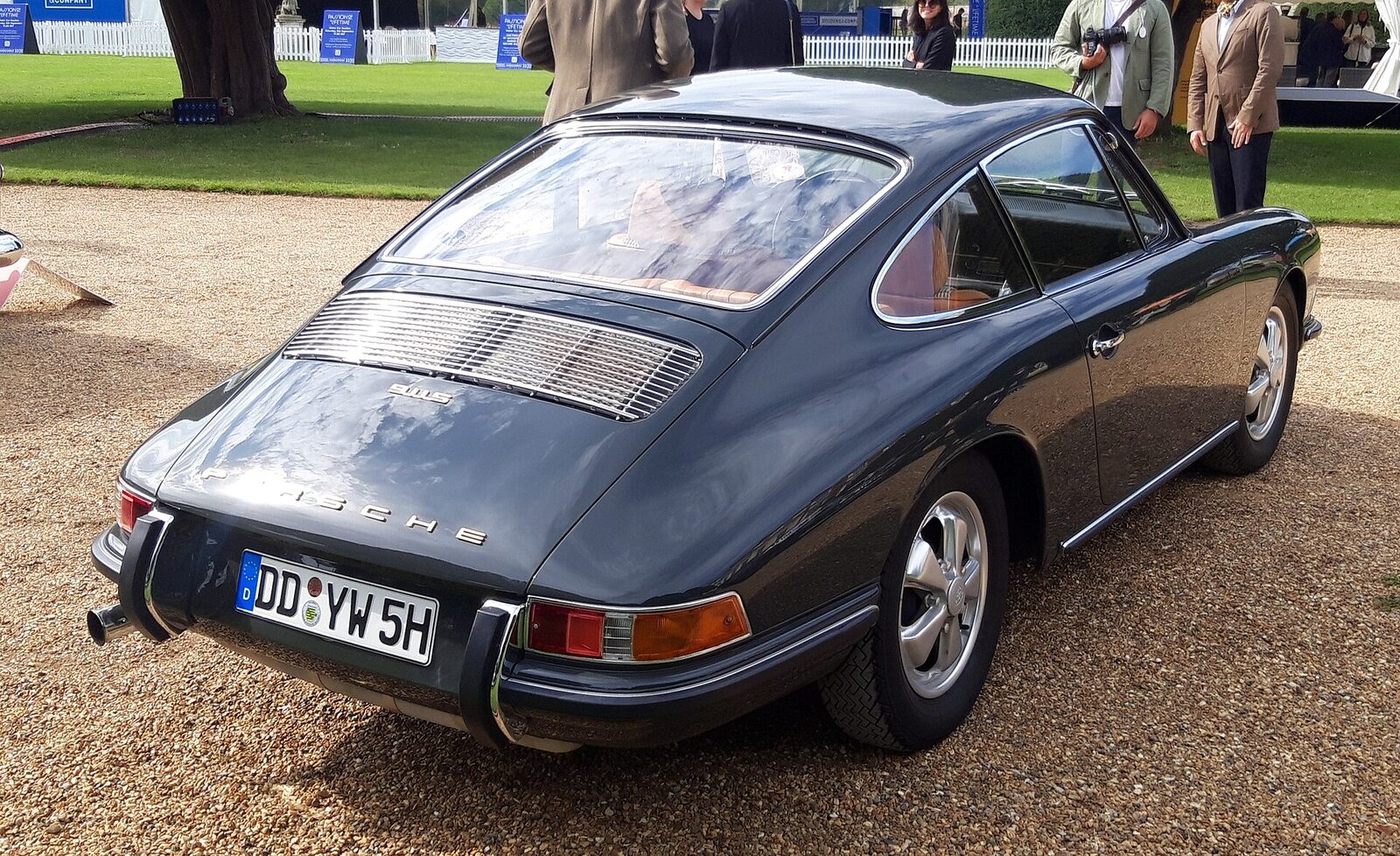
A 1966 Porsche 911 S 2.0 coupé at the Hampton Court Concours in 2020.
Do this next
What's different about the Porsche 911 S (2.0L)?
The 911 S arrived in 1966 with 160 PS and the forged Fuchs alloy wheel, plus a rear anti-roll bar and ventilated discs. Power rose to 170bhp with mechanical fuel injection for 1969.[1][2][3]
Classic & Sports Car notes that S engines before the 2.4 need Super (high-octane) fuel.[2]
Which problems apply to the Porsche 911 S (2.0L) in particular?
Which Early 911 problems should you check on a 911 S (2.0L)?
The Early 911 guide covers the problems every car shares, each with what to look for and its sources:
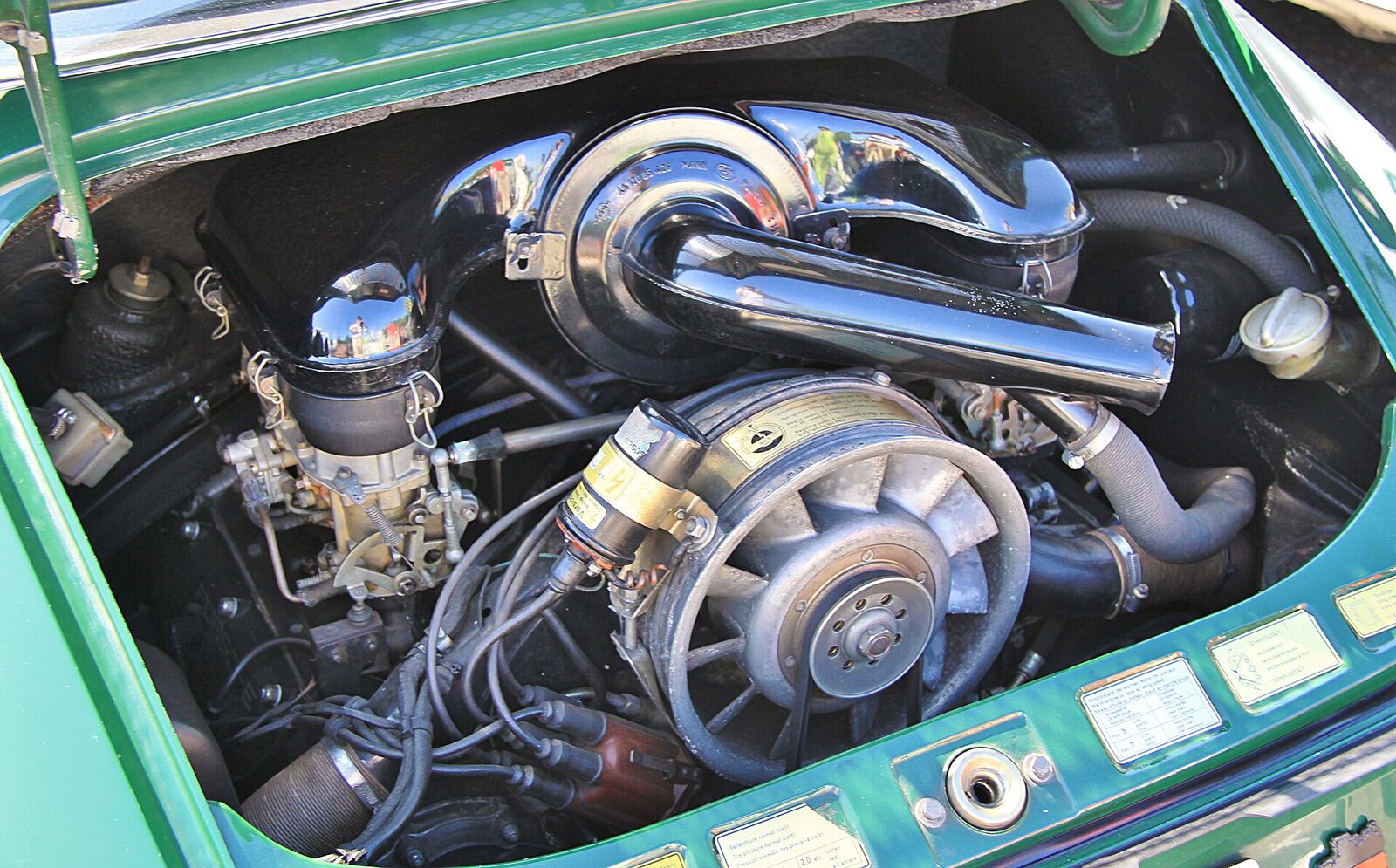
The 2.2-litre Type 901/03 flat-six of a 1971 Porsche 911T: check the engine and the ground under it for oil leaks before you buy.
Questions
The Porsche 911 S (2.0L) was built from 1967 to 1969.
The 911 S arrived in 1966 with 160 PS and the forged Fuchs alloy wheel, plus a rear anti-roll bar and ventilated discs. Power rose to 170bhp with mechanical fuel injection for 1969.
On the 911 S (2.0L) in particular: magnesium crankcase condition; mechanical fuel injection set-up. Then take the printable Early 911 checklist with you when you see the 911 S (2.0L): it lists the problems every Early 911 shares.
For a 911 S (2.0L), start with the 18 Early 911 specialists in our directory who offer pre-purchase inspections.
Sources
- Porsche Newsroom: The original 911: the masterpiece from Zuffenhausen (2018-11-21)
- Classic & Sports Car: Buyer's guide: Porsche 911 (1964-'73), by Malcolm McKay (2018-05-18)
- Porsche Club GB: Porsche Early 911 Buyers' Guide (1965-73), by Peter Morgan (undated)
- Porsche Classic: Technical Certificate (undated)
- Porsche Classic: 911 f (read 2026-10-29)