Early 911 · Buyer's guide
Porsche 911 (2.0L) buyer's guide
The Porsche 911 (2.0L) was built from 1965 to 1967. What sets the 911 (2.0L) apart comes first, then the Early 911 problems to check on any car.
Last reviewed 25 October 2026. Each point links the page it comes from.
By Jon Kennedy, Porsche Enthusiast
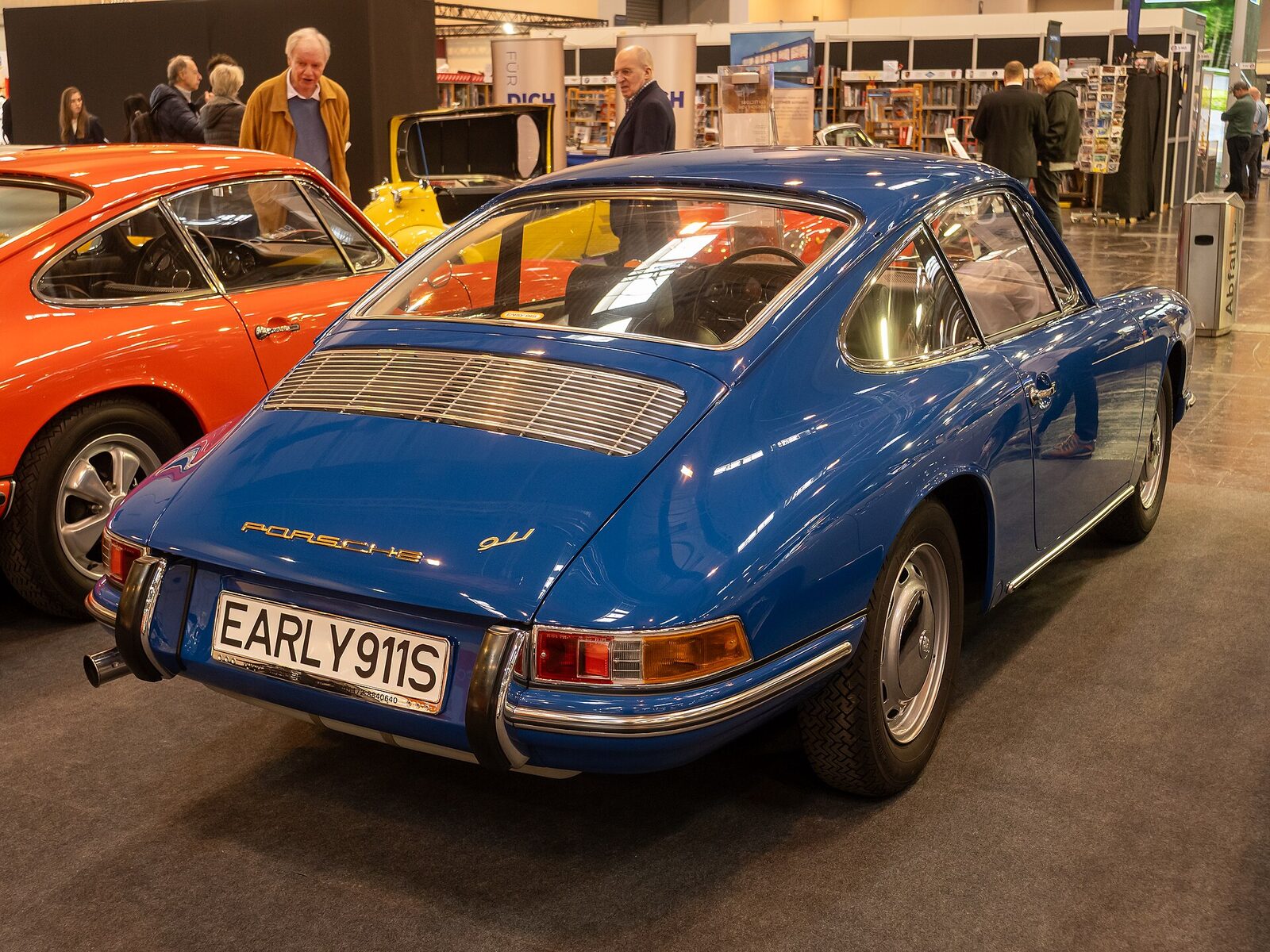
An early 1966 Porsche 911 2.0 coupe, displayed at the Techno-Classica show in Essen in 2025.
Do this next
What's different about the Porsche 911 (2.0L)?
Production began in September 1964 with a 130bhp 2.0 flat-six on twin Solex carburettors, a wood dash and a wood steering-wheel rim. Triple-choke Webers replaced the Solexes in early 1966 and cure the Solex's mid-rev flat spots.[1][2]
Cars up to the 1968 model year are short-wheelbase. From the 1969 model year the wheelbase grew by 57 mm (to 2,268 mm). Classic & Sports Car says short-wheelbase cars are light at the front, more liable to snap oversteer, and need correct set-up.[1][3][4]
The first 1967 Targas had only a soft plastic rear window that could be unzipped. It tended to shrink in cold weather so it would not close, and Porsche soon offered a heated glass rear window. Hagerty says soft-window Targas now carry a premium, so check which window a Targa has and whether it is original.[4]
Which problems apply to the Porsche 911 (2.0L) in particular?
Which Early 911 problems should you check on a 911 (2.0L)?
The Early 911 guide covers the problems every car shares, each with what to look for and its sources:
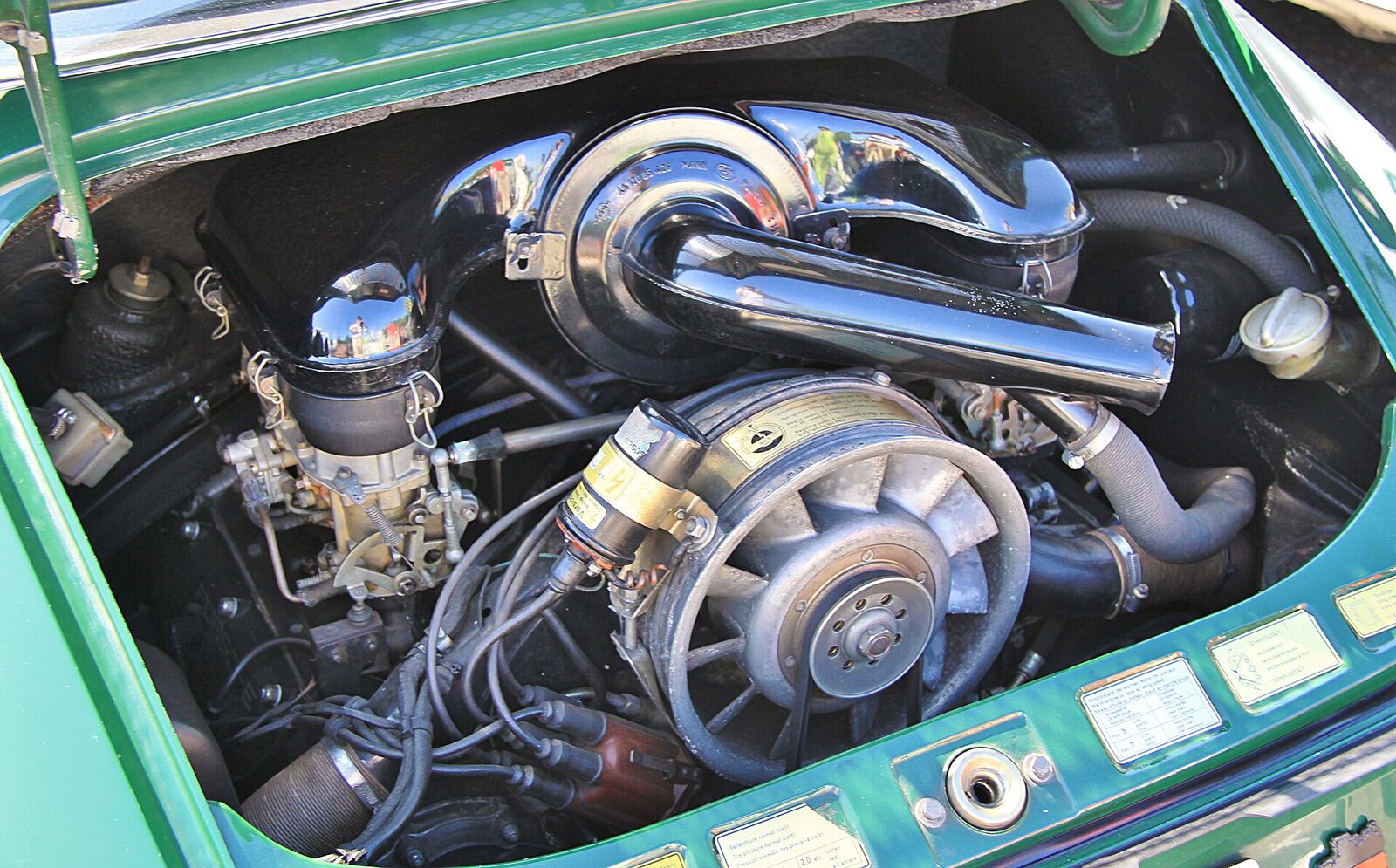
The 2.2-litre Type 901/03 flat-six of a 1971 Porsche 911T: check the engine and the ground under it for oil leaks before you buy.
Questions
The Porsche 911 (2.0L) was built from 1965 to 1967.
Production began in September 1964 with a 130bhp 2.0 flat-six on twin Solex carburettors, a wood dash and a wood steering-wheel rim. Triple-choke Webers replaced the Solexes in early 1966 and cure the Solex's mid-rev flat spots.
On the 911 (2.0L) in particular: magnesium crankcase condition; early Solex carburettor flat spots. Then take the printable Early 911 checklist with you when you see the 911 (2.0L): it lists the problems every Early 911 shares.
For a 911 (2.0L), start with the 18 Early 911 specialists in our directory who offer pre-purchase inspections.
Sources
- Classic & Sports Car: Buyer's guide: Porsche 911 (1964-'73), by Malcolm McKay (2018-05-18)
- Porsche Club GB: Porsche Early 911 Buyers' Guide (1965-73), by Peter Morgan (undated)
- Porsche Newsroom: The original 911: the masterpiece from Zuffenhausen (2018-11-21)
- Hagerty Media: Among 1967-68 Porsche 911s, coupes are king (2020-02-19)
- Porsche Classic: 911 f (read 2026-10-29)
- Porsche Newsroom: Generation Motoren (read 2026-10-29)