Moving cars between countries
Importing an air-cooled Porsche into Australia
Every air-cooled Porsche is old enough for Australia's older vehicles pathway, which needs a build date at least 25 years before you apply. Get the approval before shipping, budget for 5% duty, 10% GST and possibly Luxury Car Tax, and make sure the car contains no asbestos.
By Jon Kennedy, Porsche Enthusiast
Last reviewed 25 October 2026, against the official sources linked in each section. Rules change: confirm with the agency before you ship.
Do this next
- 1Apply for the import approval before you book shipping: importing without one is an offence.
- 2Ask the seller for asbestos evidence (parts records or a workshop's report) before you pay.
- 3Line up an Australian specialist for the car's arrival and registration.
- 4Buying the car in Japan? Follow the Japan to Australia steps.
In short
- Eligibility
- Built at least 25 years before the application
- Import approval fee
- $35 (2024 compilation of the Rules)
- Customs duty, used car over 1,500cc
- 5%
- GST
- 10%
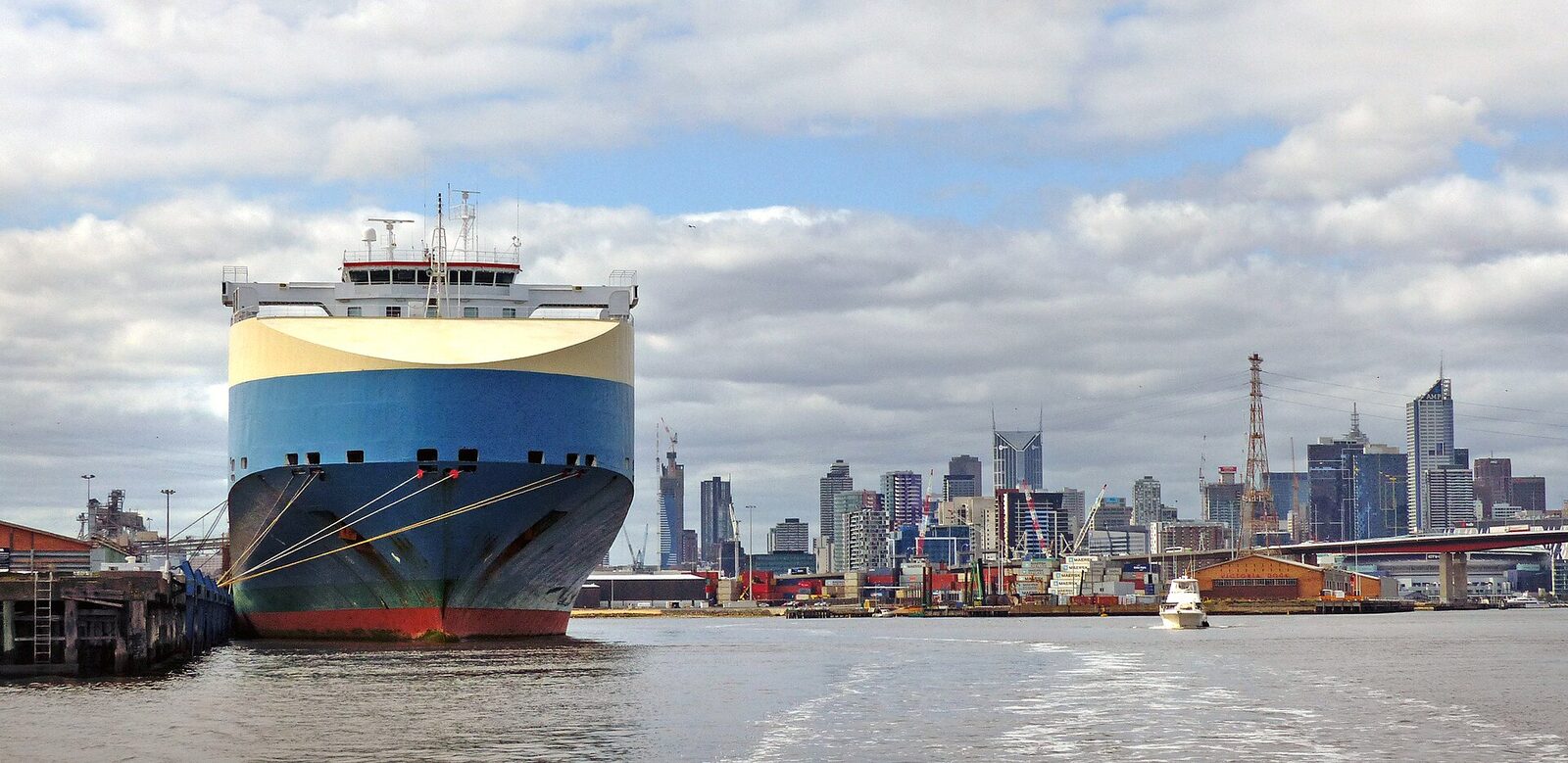
The car carrier Adria Ace in the Port of Melbourne, with the city skyline behind.
What is Australia's 25-year rule for importing cars?
Under section 36 of the Road Vehicle Standards Rules 2019, a passenger car qualifies for the older vehicles pathway if its build date is at least 25 years before the date of the application. The build date is when assembly was first completed, or when the last significant modification was completed. Because it counts back from the application, the cut-off moves forward every year, and every air-cooled Porsche already meets it.
The approval for an older vehicle counts as the import approval. The fee in the Rules is $35, paid with the application; the compilation we read is dated January 2024, so check the fee when you apply.[1]
Do you need approval before shipping a car to Australia?
Yes. Don't arrange transport until the approval is issued: importing a car without one is an offence. Complete applications are generally assessed within 30 working days, and the Australian Border Force won't release the car until it sees a valid approval and the duty, GST, Luxury Car Tax and other charges are paid.[2]
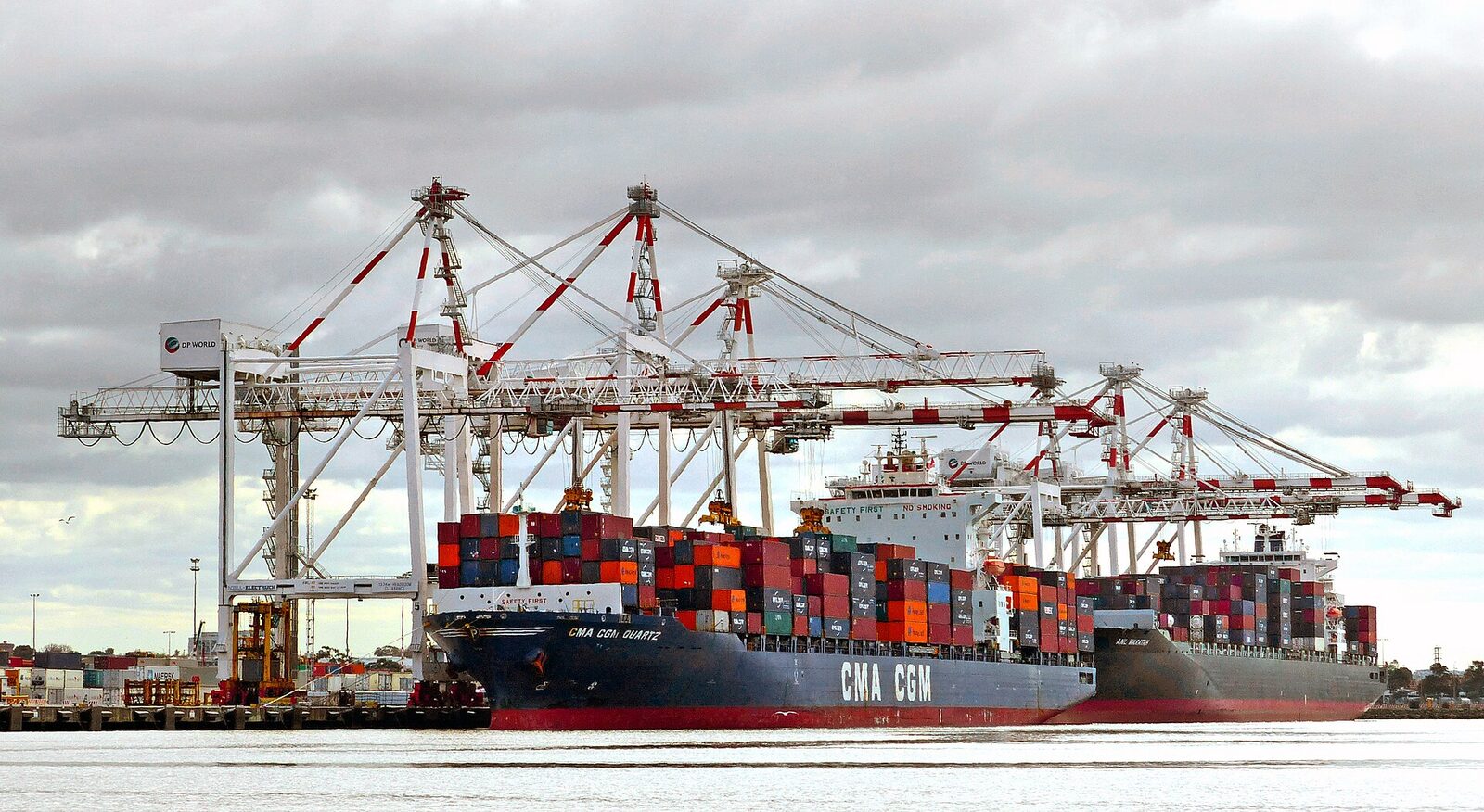
A container ship being worked at a container terminal in the Port of Melbourne.
How much customs duty do you pay on a classic car?
5% of the customs value for used passenger cars over 1,500cc. The tariff lists used cars of 1,000 to 1,500cc as free, which can matter for some early 356s, so check your engine's capacity.[3]
| Engine capacity | Tariff item | Duty |
|---|---|---|
| 1,000 to 1,500cc | 8703.22.11 | Free |
| 1,500 to 3,000cc | 8703.23.11 | 5% |
| Over 3,000cc | 8703.24.11 | 5% |
Do GST and Luxury Car Tax apply to an imported classic?
GST does: 10% of the value of the taxable importation, which adds the duty and the international transport and insurance to the customs value. Luxury Car Tax is 33% of the amount above the threshold, $80,809 for 2026-27 ($91,661 for fuel-efficient cars), and private importers pay it on entry.
The Border Force names no exemption from Luxury Car Tax for older cars. Check with the ATO for your car before you set a budget.[2][4]
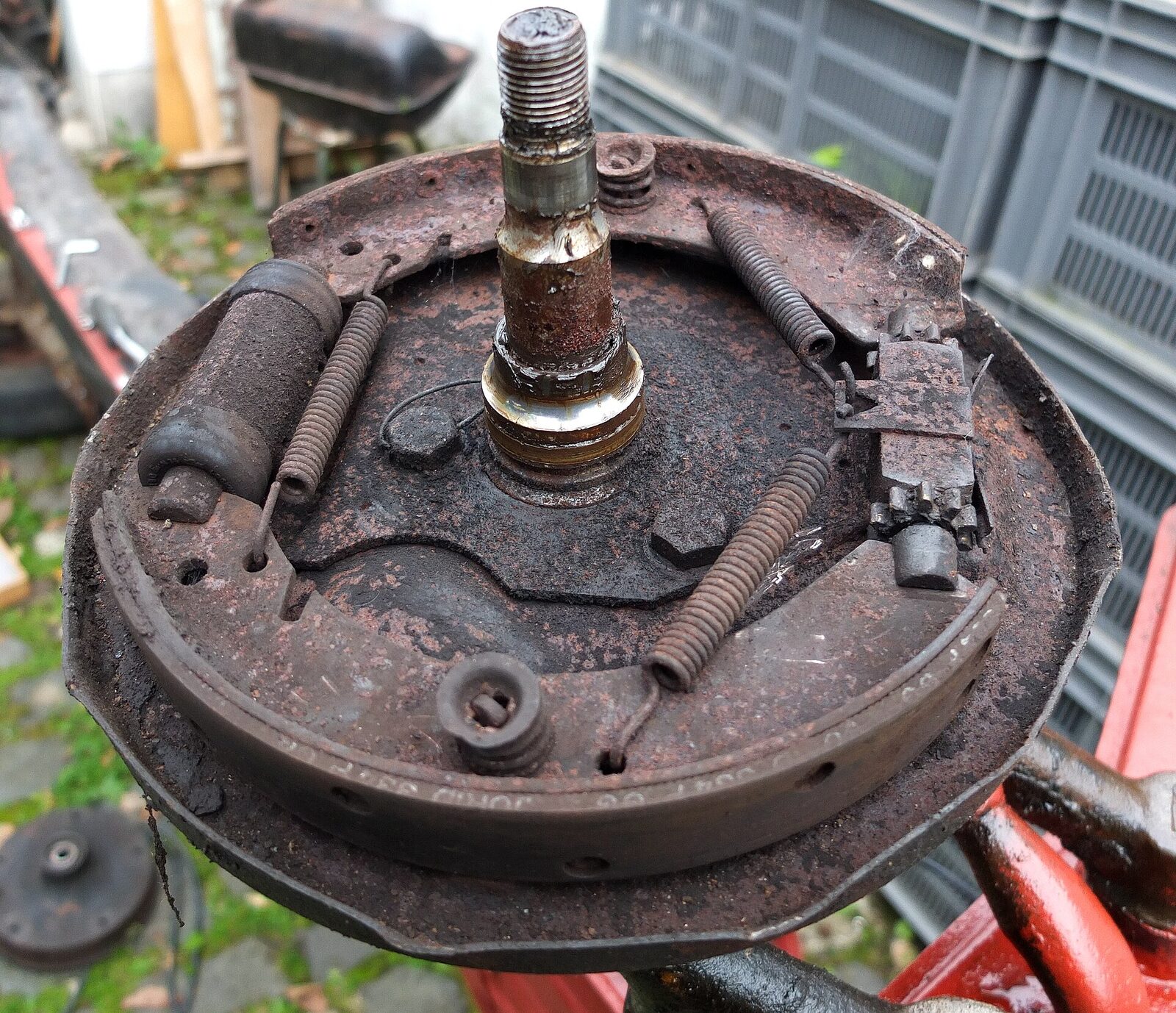
The corroded drum brake of a 1950s Volkswagen Beetle, with its shoes and linings in view. Brakes are the first place the Border Force lists for asbestos.
Why does asbestos matter when importing a classic Porsche?
Importing asbestos is banned for vehicles of any age or value, and other countries' tolerance levels aren't accepted. You need assurance before shipping: technical evidence from the manufacturer, or records of the parts removed and replaced. Without it the car can be held for sampling and testing at your cost. Brakes and gaskets are the most common finds, then clutch linings, head and exhaust gaskets and heat shields.
The car must also arrive clean inside and out. Biosecurity officers inspect it on arrival, and the importer arranges and pays for the inspection. Registration is up to each state and territory: an import approval doesn't guarantee it.[2][5]
Our take: Ask for the asbestos evidence before you pay, not after you've shipped. A car of this age may still carry original brakes, gaskets or clutch linings, the parts the Border Force lists first, and any holding and testing is at your cost.
What changes when the car comes from Japan to Australia?
The approval and the 25-year rule work as they do for any country. What changes is where the groundwork happens: the asbestos evidence and the export papers are both arranged in Japan.
If the car is tested for asbestos in Japan, the Border Force says the work must meet Australian requirements for laboratory reporting. A car that arrives without enough assurance can still be held at the border for sampling, at the owner's cost.
Japan deregisters the car for export and issues an export certificate on a Japanese and English form. It's valid for six months for the export declaration, so the approval and the asbestos work should be done before the clock starts.[2][5][6]
Our take: Order the asbestos testing in Japan from a lab that reports to Australian requirements, and only then have the car deregistered for export. Doing it the other way round eats into the certificate's six months.
Help in Australia
No specialist in Australia lists import or transport help yet.
All specialists in AustraliaImport and registration specialists
Questions
No harder, just earlier: arrange the import approval and any asbestos testing before the car is deregistered in Japan, because its export certificate is only good for six months.
Yes. Both were built more than 25 years ago, which meets the older vehicles criterion in section 36 of the Road Vehicle Standards Rules 2019. You need the approval before the car is shipped.
It can. LCT is 33% of the value above $80,809 in 2026-27, and the Australian Border Force names no age exemption. Check with the ATO for your car before you buy.
With technical evidence from the manufacturer, or records showing which parts were removed and replaced. Without adequate assurance the Australian Border Force can hold the car for sampling and testing at your cost.
Complete applications are generally assessed within 30 working days, according to the Australian Border Force. Don't book shipping until the approval is issued. Our Australian specialist listings show who can help once the car arrives.
Sources
Each section is numbered to the official pages it was written from, with the date each page shows.
- Road Vehicle Standards Rules 2019 (Federal Register of Legislation) (Compilation No. 5, 19 January 2024)
- ABF: Importing a motor vehicle (Last updated 20 October 2026)
- ABF: Current tariff, chapter 87 (Last updated 1 July 2026)
- ABF: GST and other taxes (Last updated 20 October 2026)
- ABF: Asbestos risk when importing a vehicle (PDF) (July 2019)
- JETRO (Japan External Trade Organization): documents and procedure for exporting a used car from Japan (updated August 2025)
Written from the official pages linked under each section, for importing a car for personal use. It isn't legal or tax advice. Where an agency's site couldn't be read we cite the law itself and say so. Spot something out of date? Tell us and we'll check it.