Buyer's guide · built 1984–1989
Buying a Porsche Carrera 3.2: common problems and what to check
The Porsche 911 Carrera 3.2 was built from 1984 to 1989: cars to 1986 have the 915 gearbox, 1987 to 1989 cars the G50. Check the bodyshell for rust and hidden repairs first, then the DME relay, valve guides, head studs and the gearbox fitted to that year.
By Jon Kennedy, Porsche Enthusiast
Last reviewed 25 October 2026. Every point links the specialist, club, magazine or Porsche page it comes from.
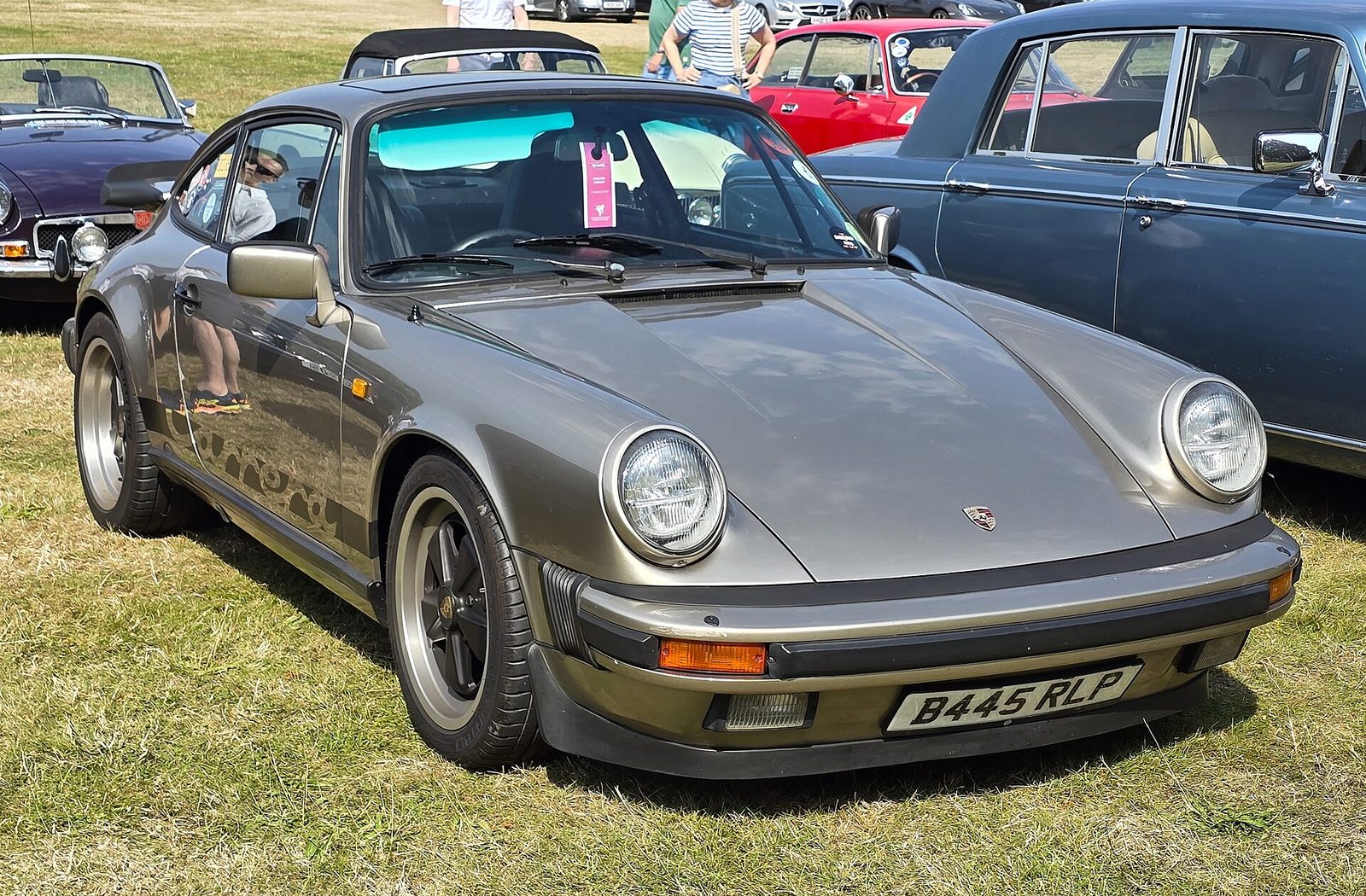
A 1984 Porsche 911 Carrera 3.2 coupé.
Do this next
In short
- Built
- 1984–1989
- Made
- Not yet sourced
- Models with a guide
- 3
What goes wrong on a Porsche Carrera 3.2?
The 10 problems to check on any Carrera 3.2. Where a source publishes a repair cost, it's shown as published, with its date.
Bodyshell rust and hidden repairs
The zinc coating has aged and corrosion can be serious. Kidney bowls behind the B-posts, sills, jacking points, floor edges, battery area and front pan, door latch panels, front wings, scuttle and windscreen corners all rust; Targa and Cabriolet seals can hide water damage.[1][2][3]
What to check: On a lift, probe the sills, inner wings, kidney bowls and the area ahead of the tank; be wary of fresh underseal or Waxoyl hiding flaky rust. Use a paint gauge on the wings, lower doors, C-pillars and Targa rear window rim. Glued-down carpets are a warning sign.
Published cost: Porsche Club GB (ex VAT, undated): sills plus suspension corner/inner wing reconstruction 'not leaving change from £15K'; full paint £6,000-10,000; underbody corrosion repair £500-700.
DME relay
The DME relay is a known weak point; when it fails the car will not start.[1][3]
What to check: Ask whether the relay has been replaced and whether a spare is kept in the glovebox.
Published cost: Porsche Club GB (ex VAT): about £65.
915 gearbox (1984-1986)
On 1984-86 cars a 915 that is hard to get into second or third probably needs a rebuild; worn second and third synchros grind.[1][2][4]
What to check: Check gear selection and synchros warm, especially second.
Published cost: Porsche Club GB (ex VAT): clutch rebuild £750-1,100 depending on gearbox type.
Applies to: Carrera 3.2 (1984–1986)
G50 hydraulic clutch leaks (1987-1989)
G50 cars use a hydraulic clutch; Classic Car Reviews flags clutch and slave-cylinder leaks as a check.[1][2]
What to check: Check the clutch pedal feel and look for fluid at the slave cylinder.
Applies to: Carrera 3.2 (1987–1989), Carrera 3.2 Speedster
Valve guides and piston rings (blue smoke)
Blue smoke can come from worn valve guides or, at start-up, from worn piston rings. Porsche Club GB says the engine should run at least 125k miles before a cylinder head rebuild, less with poor servicing.[1][2][4]
What to check: Watch the exhaust on start-up and on the overrun; walk away from cars that smoke, will not start or run unevenly. Check oil pressure is steady.
Broken head studs
Classic Car Reviews lists broken head studs as an inspection point on the 3.2.[2]
What to check: Ask a specialist to check for broken studs and look for oil leaks at the heads.
Brake and fuel lines
Aged fuel lines and corroded brake pipes can split; the area around the fuel tank also needs checking.[1][4]
What to check: Inspect the lines underneath, including round the tank.
Heat exchangers, heater flap boxes and exhaust
Exhausts and heat exchangers rust; heater flap boxes are costly to replace if they no longer open and close; the heater control solenoid and fan also fail.[1][3][4]
What to check: Check for black spots at heat exchanger and exhaust joints (leaks), and test that heat comes on strongly and goes off quickly.
Published cost: Porsche Club GB (ex VAT): heat exchangers £300-500 each; rear silencer similar; heater valves about £125 each.
Oil leaks and oil lines
Cylinder base and rocker cover leaks are common; oil lines and the oil thermostat can kink, leak or rust.[3]
What to check: Check oil lines and connectors, the thermostat, and leaks at cylinder bases and rocker covers; note whether the engine has been wiped down or is already warm on arrival.
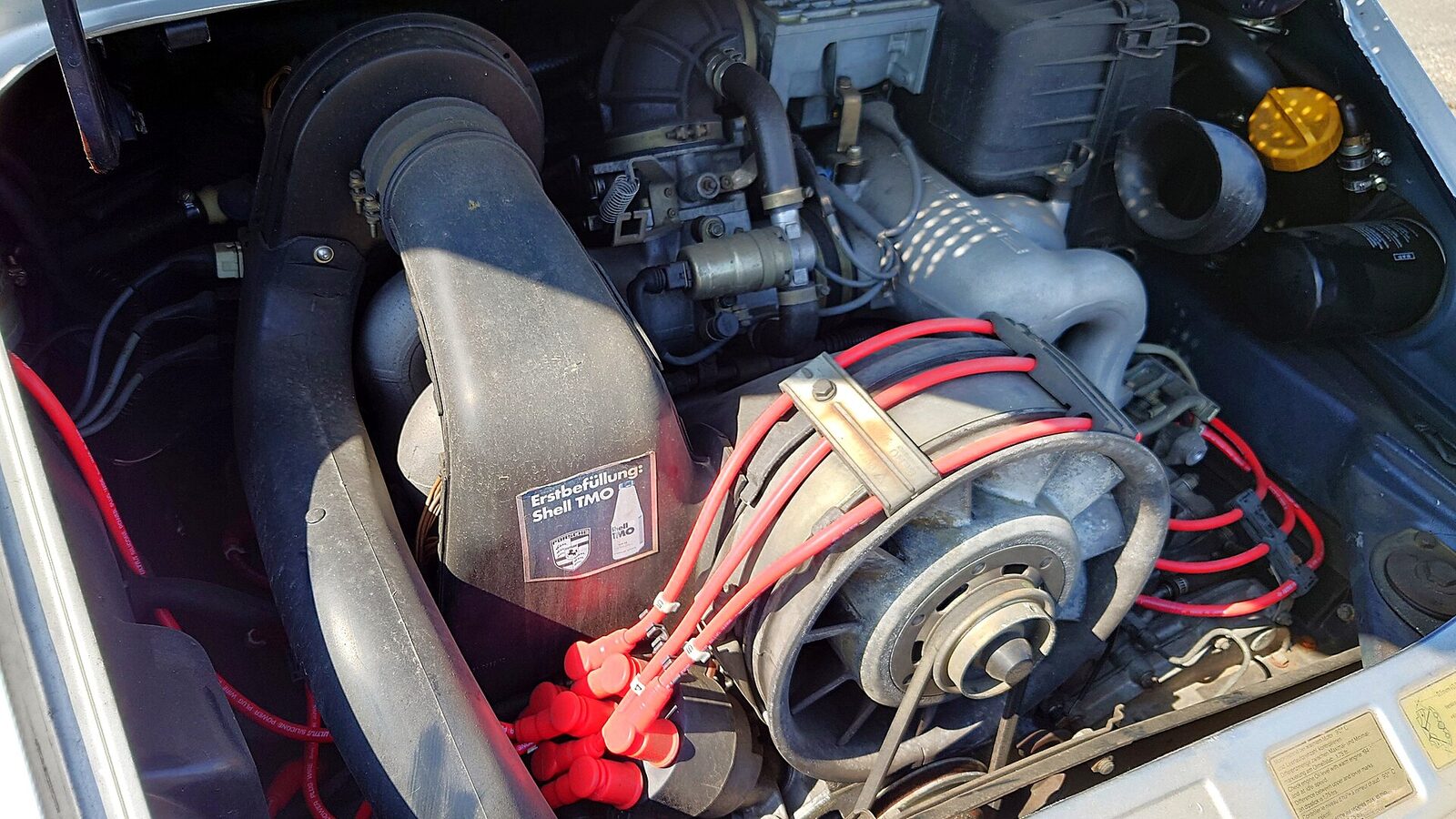
The engine bay of a 911 Carrera 3.2: check the flat-six here for oil seeping from the valve covers, oil lines and crankcase.
Suspension bushes and seized calipers
Tired bushes make the car wander, uneven ride height points to tired torsion bars or poor setup, and brake calipers can seize on little-used cars.[2][3]
What to check: Spin the wheels for sticking calipers, brake from cold in a straight line, and feel the hubs after the drive for binding.
Published cost: Porsche Club GB (ex VAT): dampers about £600 a set plus fitting; alignment about £300; discs and pads about £500 per axle.
Our take: If you'll use the car often, a 1987 to 1989 G50 car is the easier one to live with: its sources point to leaking clutch hydraulics, where the 915 cars risk worn synchromesh. Either way the shell sets the price: Porsche Club GB puts new sills and inner wings at £15,000 or more.
How do you check a Porsche Carrera 3.2 is original?
Chassis number in three places
Ferdinand Magazine's inspection checks that the chassis number on the registration document matches the number in the door latch panel and on the metal tag riveted to the dash, and that the engine number matches the paperwork with no sign of tampering.[3]
Engine and gearbox serial numbers
Many G-Series cars have had engines or gearboxes replaced; if originality matters, check the serial numbers stamped on them. Porsche's Classic Technical Certificate inspection can confirm whether engine and gearbox numbers and types match factory records, and the online Production Specification lists original engine and gearbox type, colours and options.[5][6]
Option code sticker
From 1983 Porsche fitted white option code stickers under the front lid and in the owner's manual, listing colour codes and factory options.[5]
Genuine Turbo-look (M491 / Supersport)
The factory Turbo-look (option M491, 'Supersport' in the UK) added Turbo-style wide wings, whaletail, Turbo brakes and suspension. Porsche Club GB warns that wide-body cars had no unique VINs and fakes exist, so the option needs to be proved from factory records.[1][4][5]
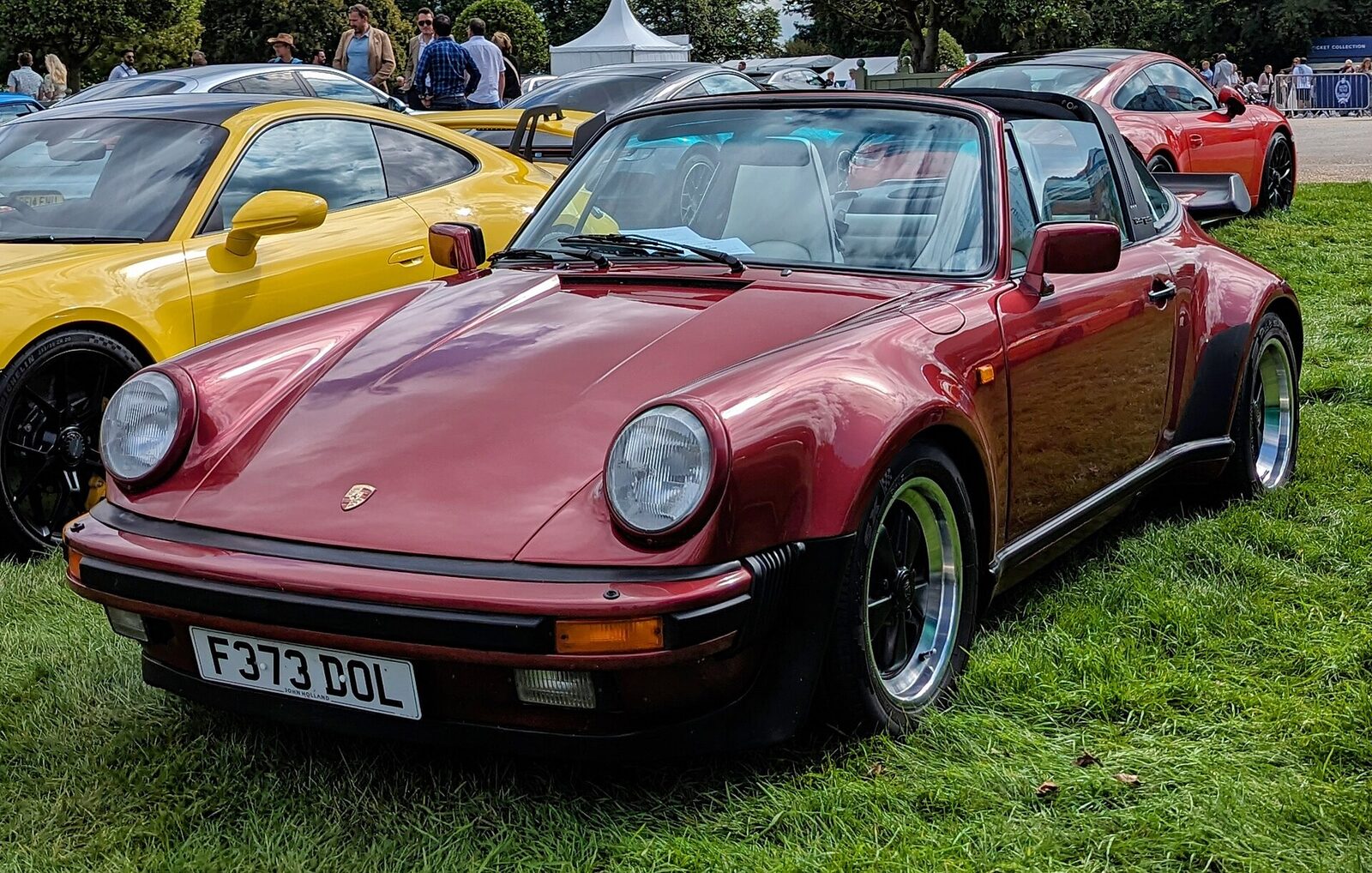
A 1988 Carrera Targa Super Sport: the factory Turbo-look body with wide wings, which buyers should confirm with the M491 option code.
Sport and Club Sport claims
Sport-badged cars are often misrepresented; a genuine UK Sport has the black lip spoiler, whaletail, Sport seats and Bilstein Sport dampers. The Club Sport (1988 MY, option M637) was a stripped-out Carrera.[1]
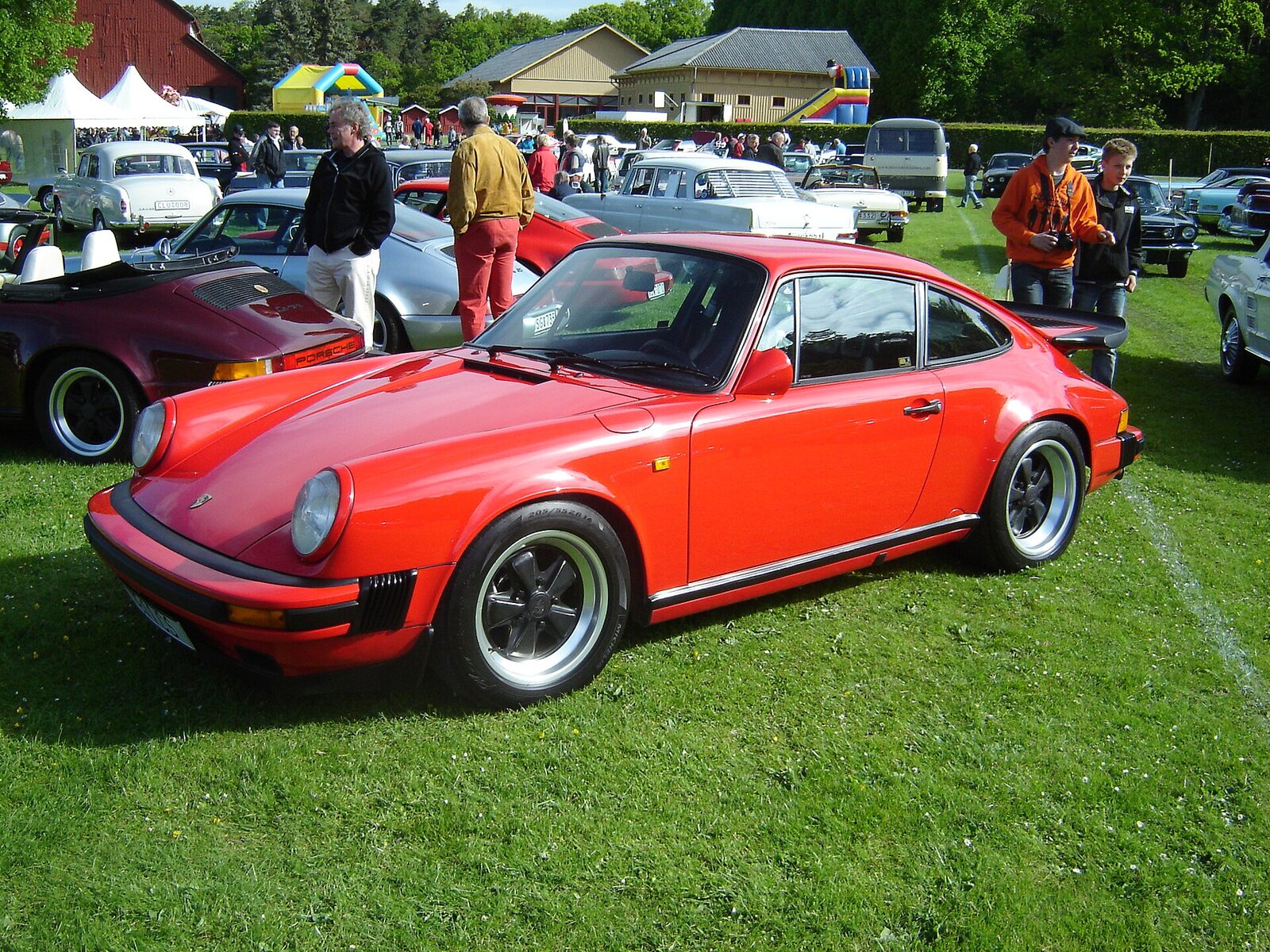
A Porsche 911 Carrera Club Sport. Check any claim of Club Sport specification against the car's factory records.
Which Porsche Carrera 3.2 should you buy?
Each model has its own guide to what sets it apart and what to check on it in particular.
| Model | Built | Power | Made |
|---|---|---|---|
| Carrera 3.2 (1984–1986) | 1984–1986 | 231 PS; 207 PS with catalyst | Not yet sourced |
| Carrera 3.2 (1987–1989) | 1987–1989 | 231 PS; 217 PS with catalyst | Not yet sourced |
| Carrera 3.2 Speedster | 1989 | Not yet sourced | 2,103 |
- Porsche Carrera 3.2 (1984–1986)
A 1984 Porsche 911 Carrera 3.2, one of the cars with the 915 gearbox.
Photo: MrWalkr, CC BY-SA 4.0, via Wikimedia Commons. - Porsche Carrera 3.2 (1987–1989)
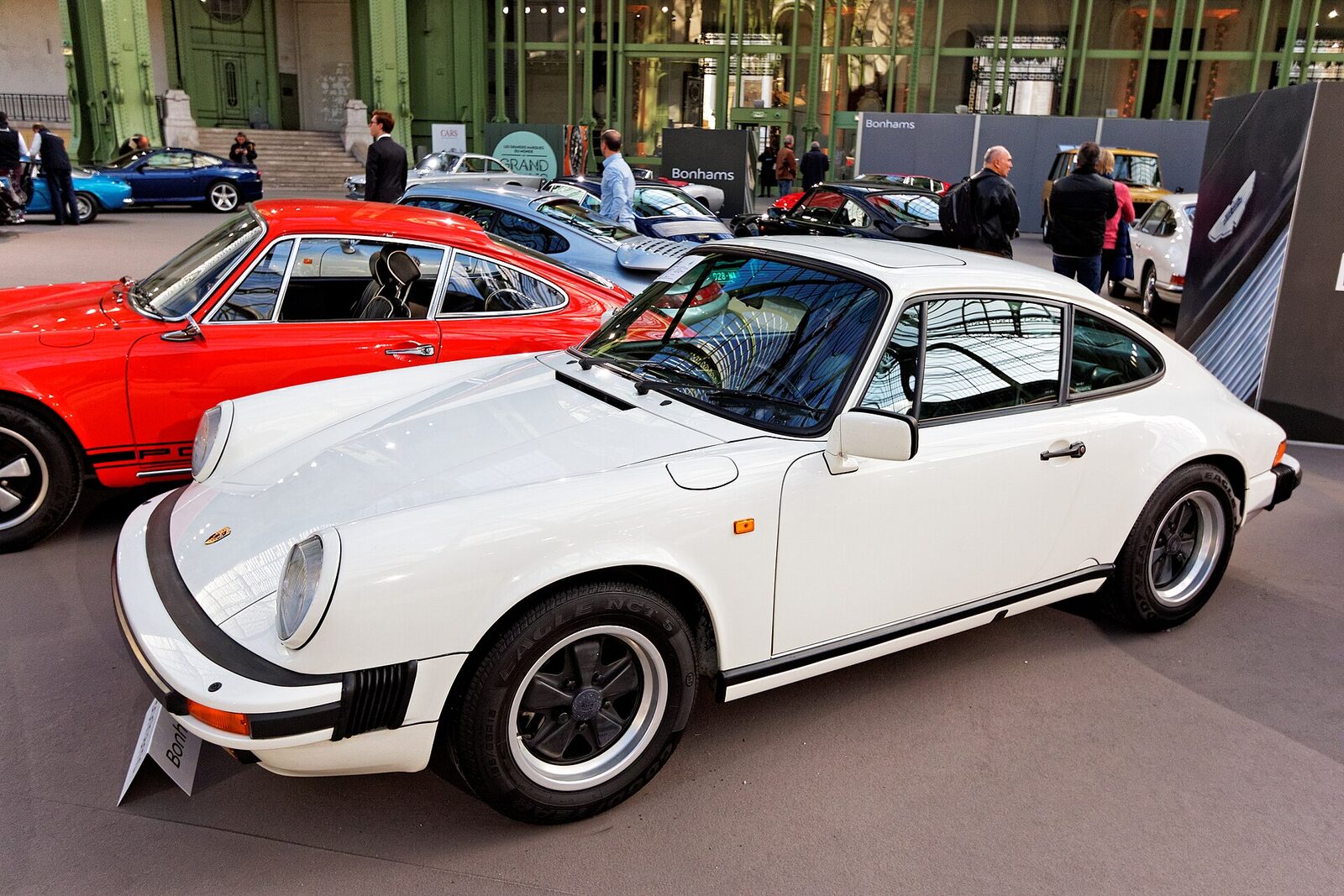
A 1988 Porsche 911 Carrera 3.2 coupé, from the years with the G50 gearbox.
Photo: Thesupermat, CC BY-SA 4.0, via Wikimedia Commons. - Porsche Carrera 3.2 Speedster
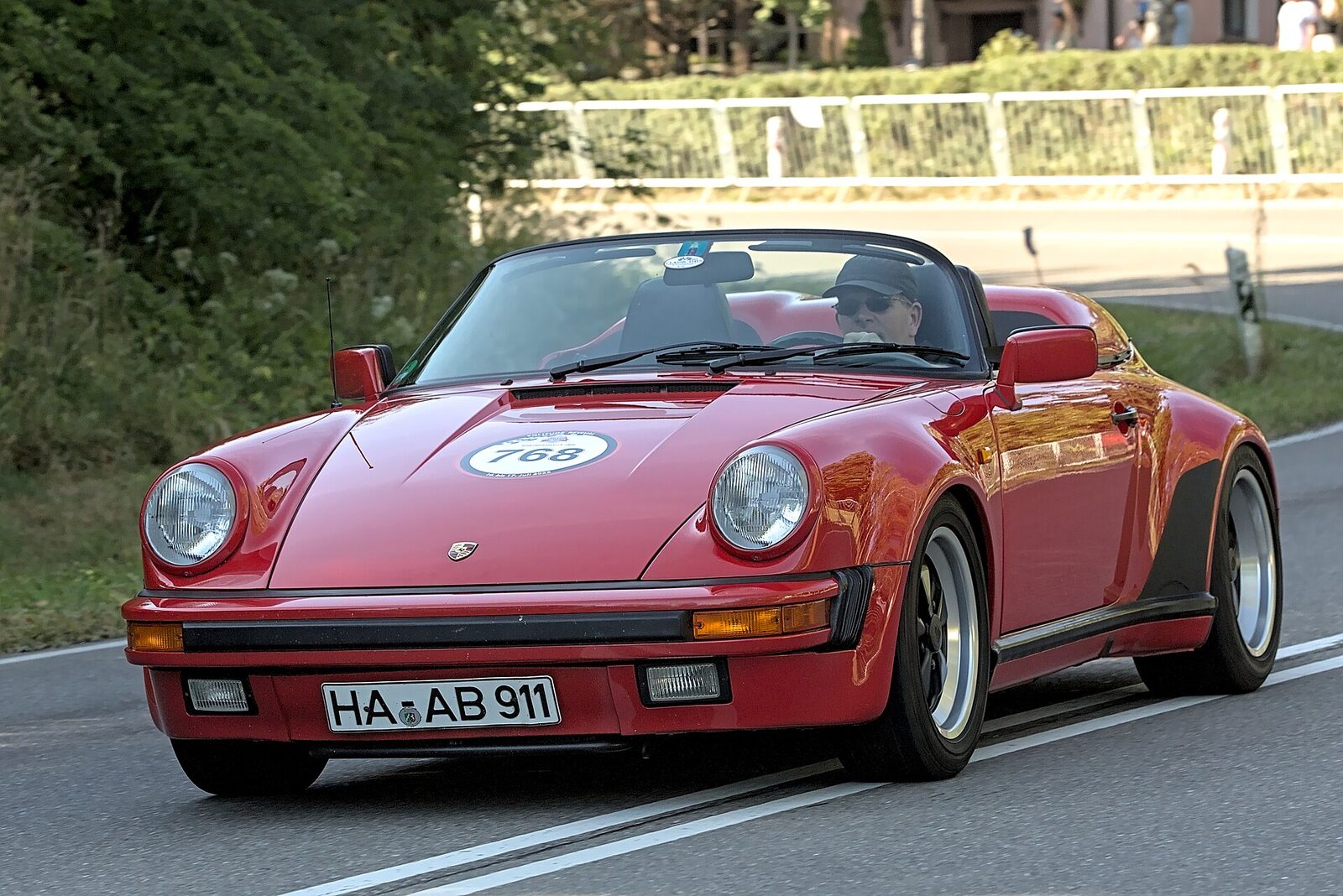
A red 1989 Porsche 911 Speedster at the Solitude Revival in 2022.
Photo: Alexander Migl, CC BY-SA 4.0, via Wikimedia Commons.
Inspection checklist: Porsche Carrera 3.2
- 1Bodyshell rust and hidden repairs
- 2DME relay
- 3915 gearbox (1984-1986)
- 4G50 hydraulic clutch leaks (1987-1989)
- 5Valve guides and piston rings (blue smoke)
- 6Broken head studs
- 7Brake and fuel lines
- 8Heat exchangers, heater flap boxes and exhaust
- 9Oil leaks and oil lines
- 10Suspension bushes and seized calipers
- 11Chassis number in three places
- 12Engine and gearbox serial numbers
- 13Option code sticker
- 14Genuine Turbo-look (M491 / Supersport)
- 15Sport and Club Sport claims
- 16Model year and 1987-on identification
Questions
The ones to check first: bodyshell rust and hidden repairs; DME relay; 915 gearbox (1984-1986); G50 hydraulic clutch leaks (1987-1989). Each is explained on this page with what to look for and the sources it comes from.
Work through these checks: chassis number in three places; engine and gearbox serial numbers; option code sticker; genuine Turbo-look (M491 / Supersport); sport and Club Sport claims; model year and 1987-on identification. Each is explained on this page with its sources.
Carrera 3.2 (1984–1986) (1984–1986), Carrera 3.2 (1987–1989) (1987–1989), Carrera 3.2 Speedster (1989). Each has its own guide to what's different about it.
17 specialists in our directory list pre-purchase inspections and work on the Carrera 3.2. The directory shows where they are and how to contact them.
Sources
Every point above is numbered to the pages it comes from. Dates are the page's own, where it shows one.
- Porsche Club GB: 911 Carrera 3.2 Buyers' Guide (Peter Morgan)
- Classic Car Reviews: Porsche 911 3.2 Carrera (1984-1989) review and buying guide (Keith Adams) (updated 2026-07-01)
- Ferdinand Magazine: Porsche 911 Carrera 3.2 Inspection (John Glynn) (2020-05-18)
- Elferspot Magazine: Buyer's guide, the Porsche 911 Carrera 3.2 (Richard Lindhorst) (2018-11-28)
- Hagerty Media: Your Handy 1974-1989 Porsche 911 (G-Series) Buyers Guide (Andrew Ganz) (2025-10-29)
- Porsche Newsroom: New online service charts the origins of your classic Porsche (2022-10-17)