Buyer's guide · built 1978–1983
Buying a Porsche 911 SC: common problems and what to check
The Porsche 911 SC was built from 1978 to 1983 (58,914 cars). Its known weak points are body rust, broken cylinder head studs, the timing chain tensioners, faults in the K-Jetronic injection and the 915 gearbox's synchromesh.
By Jon Kennedy, Porsche Enthusiast
Last reviewed 25 October 2026. Every point links the specialist, club, magazine or Porsche page it comes from.
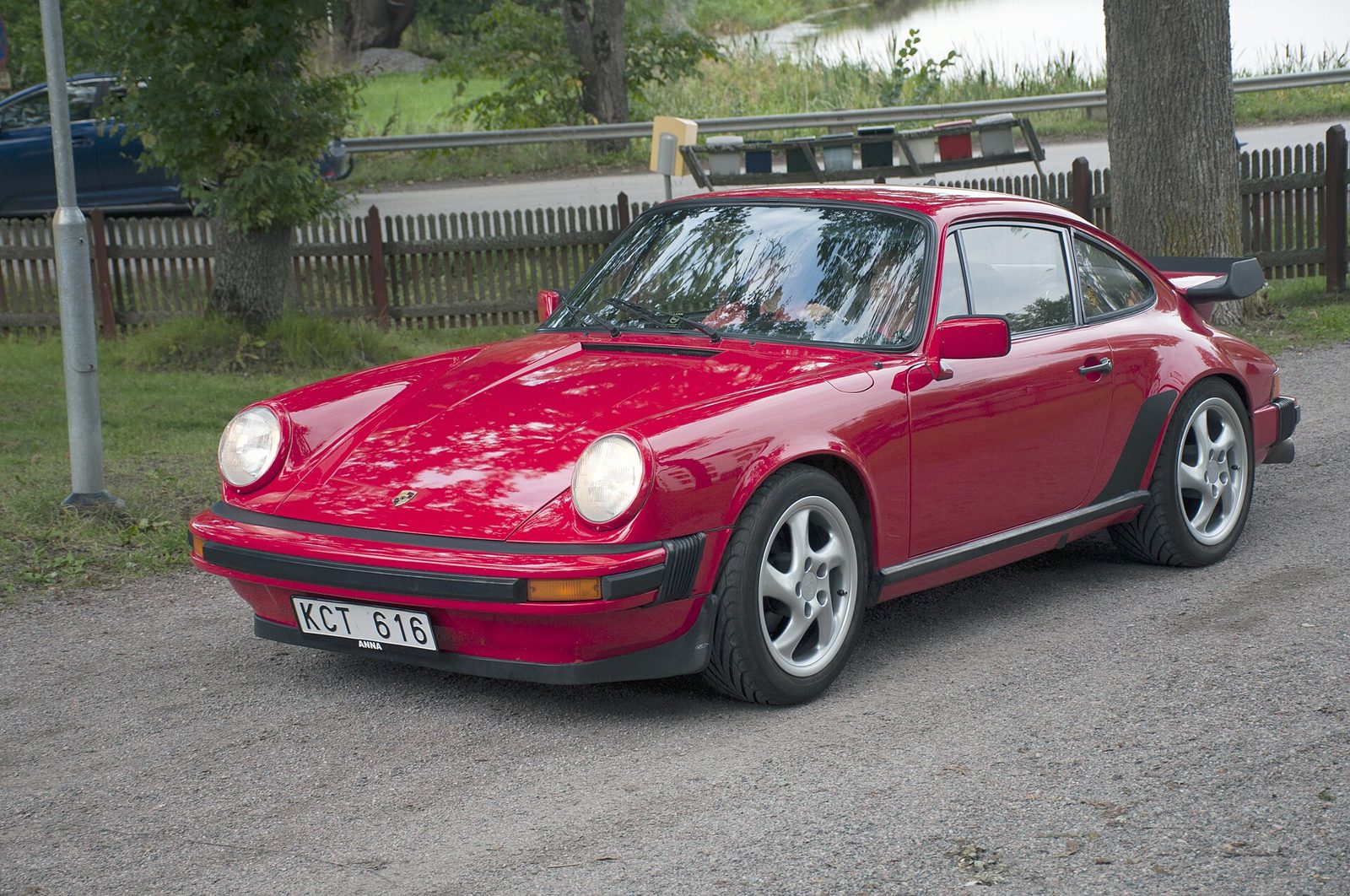
A 1979 Porsche 911 SC.
Do this next
In short
- Built
- 1978–1983
- Made
- 58,914
- Models with a guide
- 3
All 911 SC models and bodies, 1978–1983.[1]
What goes wrong on a Porsche 911 SC?
The 10 problems to check on any 911 SC. Where a source publishes a repair cost, it's shown as published, with its date.
Bodyshell and underbody rust
The zinc coating is now old and brittle, and structural rust is the main worry on an SC. Known spots include the kidney bowls (rear inner wing stiffeners), sills and jacking points, the area ahead of the fuel tank, the front suspension pan and battery area, B-posts, door shuts, rear torsion tube mounts, windscreen frames and A-pillars.[2][3][4]
What to check: Get the car on a lift and probe the sills, inner wings, kidney bowls and the area ahead of the tank with a blunt metal probe; be wary of fresh underseal. Use a paint gauge on the wings, lower doors, C-pillars and Targa rear window rim to find filler.
Published cost: Porsche Club GB (ex VAT, undated): a shell needing new sills and suspension corner/inner wing work 'isn't leaving change from £15K'; full repaint £6,000-10,000.
Broken cylinder head studs
Broken head studs on the 3.0-litre engine are a known concern and a common cause of oil leaks at the cylinder heads.[3][4][5]
What to check: Look for oil leaks at the heads and ask whether the studs have been checked or replaced. Note Hagerty's G-Series guide takes the opposite view, saying the stud weakness of the 2.7 was addressed from the SC on, so treat this as a point to inspect rather than a certainty.
Published cost: Sports Car Market (Sept 2000): about $3,000 to repair.
Timing chain tensioners
The SC left the factory with the earlier style of chain tensioner. Worn mechanical tensioners or slide rails cause timing chain rattle, and a failed tensioner can damage the engine.[3][4][5]
What to check: Listen for chain rattle, especially on start-up, and ask whether pressure-fed (Carrera-style) tensioners have been fitted. Elferspot notes hydraulic tensioners may not suit a car that is rarely driven.
Published cost: Sports Car Market (Sept 2000): conversion to the later pressure-fed style about $900; original-style tensioners should be replaced every ten or so years.
Bosch K-Jetronic (CIS) injection faults
Rough idle and poor throttle response are common. The fuel pressure regulator and flow divider seals are attacked by ethanol fuel; ageing fuel pumps give low pressure and poor running.[3][4]
What to check: The engine should start cleanly hot and cold, idle steadily and pull without hesitation. Ask whether the regulator and flow divider have been refurbished by a specialist.
915 gearbox synchromesh
The 915 needs a deliberate hand. If second or third is hard to select the gearbox probably needs a rebuild. Elferspot lists the causes of poor engagement in order of likelihood: clutch adjustment, worn linkage bushes, then worn synchros (which need a full overhaul).[2][3][4]
What to check: Drive it warm and check it does not baulk or crunch into second and third. Ask for gearbox rebuild history.
Published cost: Elferspot (Sept 2024): a gearbox overhaul 'can reach five figures' (euros). Porsche Club GB (ex VAT): clutch rebuild £750-1,100; clutch life 70k-100k miles.
Heat exchangers, heater valves and fans
Heater faults usually come from rusty heater valves, fans or heat exchangers, and repairs are not cheap. A rusty exhaust should not be ignored.[2][3][4]
What to check: Run the heater at operating temperature and check the heater controls and footwell blowers work.
Published cost: Porsche Club GB (ex VAT, undated): heat exchangers £300-500 each; rear silencer similar; heater valves about £125 each; heater fan parts £400-500.
Oil leaks
Return tubes, crank seals and cam housings are known leak points.[3][4]
What to check: Check underneath for leaks and note where they come from; a leak at the head may point to a broken stud.
Suspension bushes, ball joints and steering
Worn rear spring plate bushes make the car loose; front wishbone bushes and ball joints wear and make steering vague. Imprecise steering can mean the steering rack needs a specialist overhaul. Original dampers may be tired even on low-mileage cars.[2][3][4]
What to check: Have an expert drive the car and listen for rattles and clonks; check ride height is even. Budget for a geometry check after any suspension work.
Published cost: Porsche Club GB (ex VAT): shock absorbers about £600 a set plus fitting; wheel alignment about £300.
Electrical relays and ancillaries
Central locking relays and power window motors are known failures; dimming instrument lights can come from hardened wiring. A failed fuel pump relay stops the car starting. Cruise control modules, turn-signal levers and fresh-air blower motors also fail, and the original air conditioning is weak.[3][4][5]
What to check: Test every switch, the windows, central locking, gauges and warning lights, and the air conditioning if fitted.
Targa roof seals and water leaks
Targa roof covers curl and the locking mechanisms wear; leaks can cause hidden floor and inner sill corrosion.[2][3][4]
What to check: Check the roof seals and rear window area and look for damp carpets.
Published cost: Porsche Club GB (ex VAT): Targa roof restoration kit about £300.
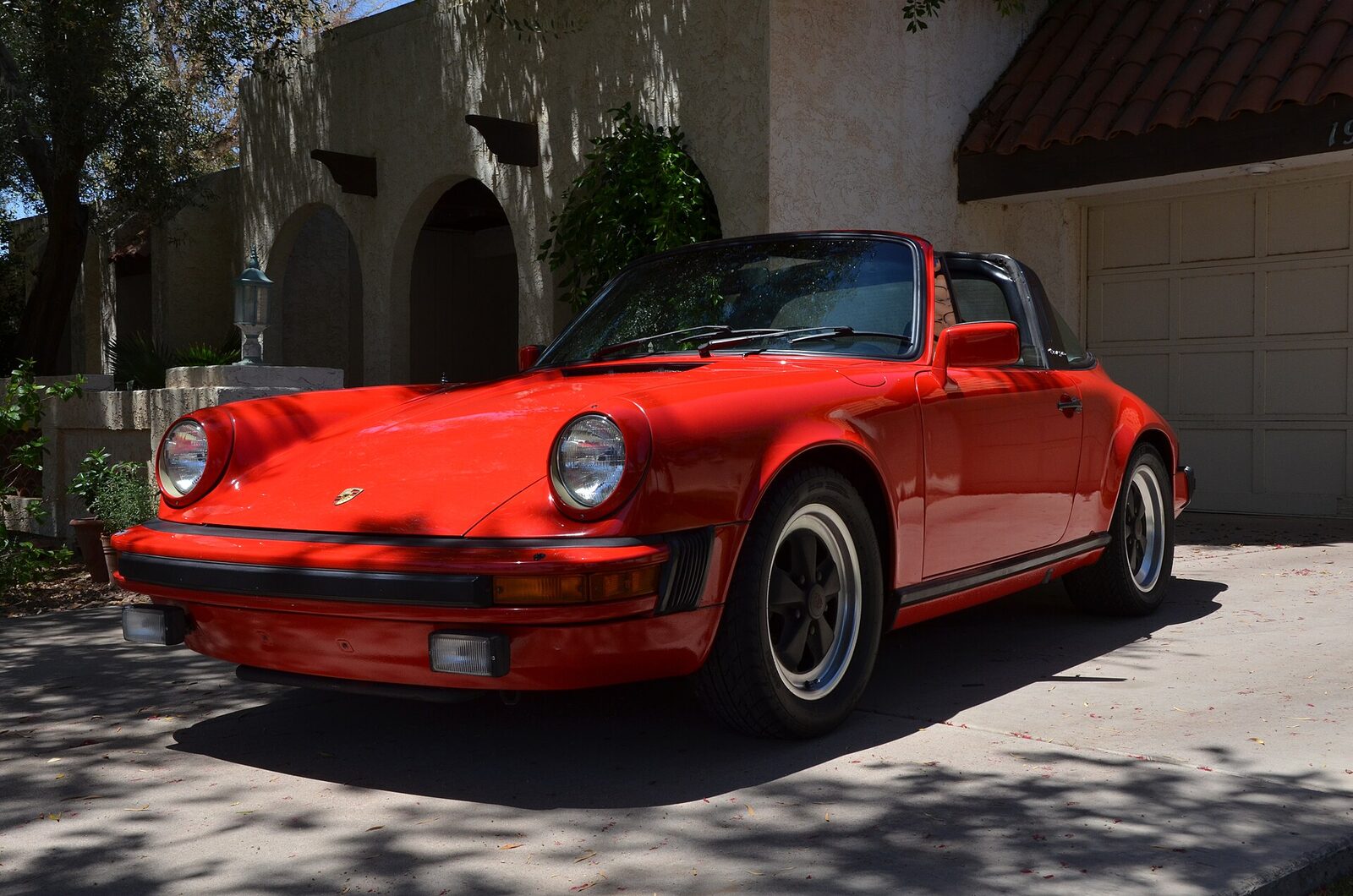
A 1982 Porsche 911 SC Targa: check the removable roof panel, its seals and the carpets for signs of water leaks.
Our take: Ask what has been done about the head studs and the chain tensioners before anything else, then treat the gearbox as the costly unknown: Elferspot says a 915 overhaul can reach five figures, more than most of the other repairs on this page.
How do you check a Porsche 911 SC is original?
Chassis number format changed for 1981
From the 1981 model year the SC uses the 17-character 'world format' VIN and factory options are listed on a Vehicle Identification Label. For the 1980 model year only, Coupé and Targa share one chassis number series. A 1981-on US-spec car's 17-digit VIN can be run through Carfax or AutoCheck, though records this old are thin.[2][6]
1983 option code sticker
Porsche began fitting white option code stickers under the front lid and in the owner's manual in 1983; they show exterior and interior colour codes and factory options.[6]
Porsche Production Specification and Classic Technical Certificate
The Production Specification ($150 in 2022, ordered online by VIN) gives the car's original production card: options, exterior and interior colour, engine and gearbox type and completion date. The Classic Technical Certificate (from $500 in 2022, at a Porsche Classic Partner) adds an inspection that can confirm whether engine and gearbox numbers and types match the original records.[6][7]
Year-correct trim
1978 cars have chrome window frames, door handles and headlight rings; later cars have black anodised trim. Steering wheels are four-spoke for the first two model years, then three-spoke. Side repeaters on the front wings appear from 1981 and Fuchs wheels became standard for 1982.[2][4][8]
Genuine 'Sport' specification
Cars are often advertised as 'Sports' without the correct kit. The factory Sport spec is 16-inch 6J/7J Fuchs, front lip spoiler, 'whaletail' rear spoiler, Bilstein Sport dampers and Sport seats.[2]
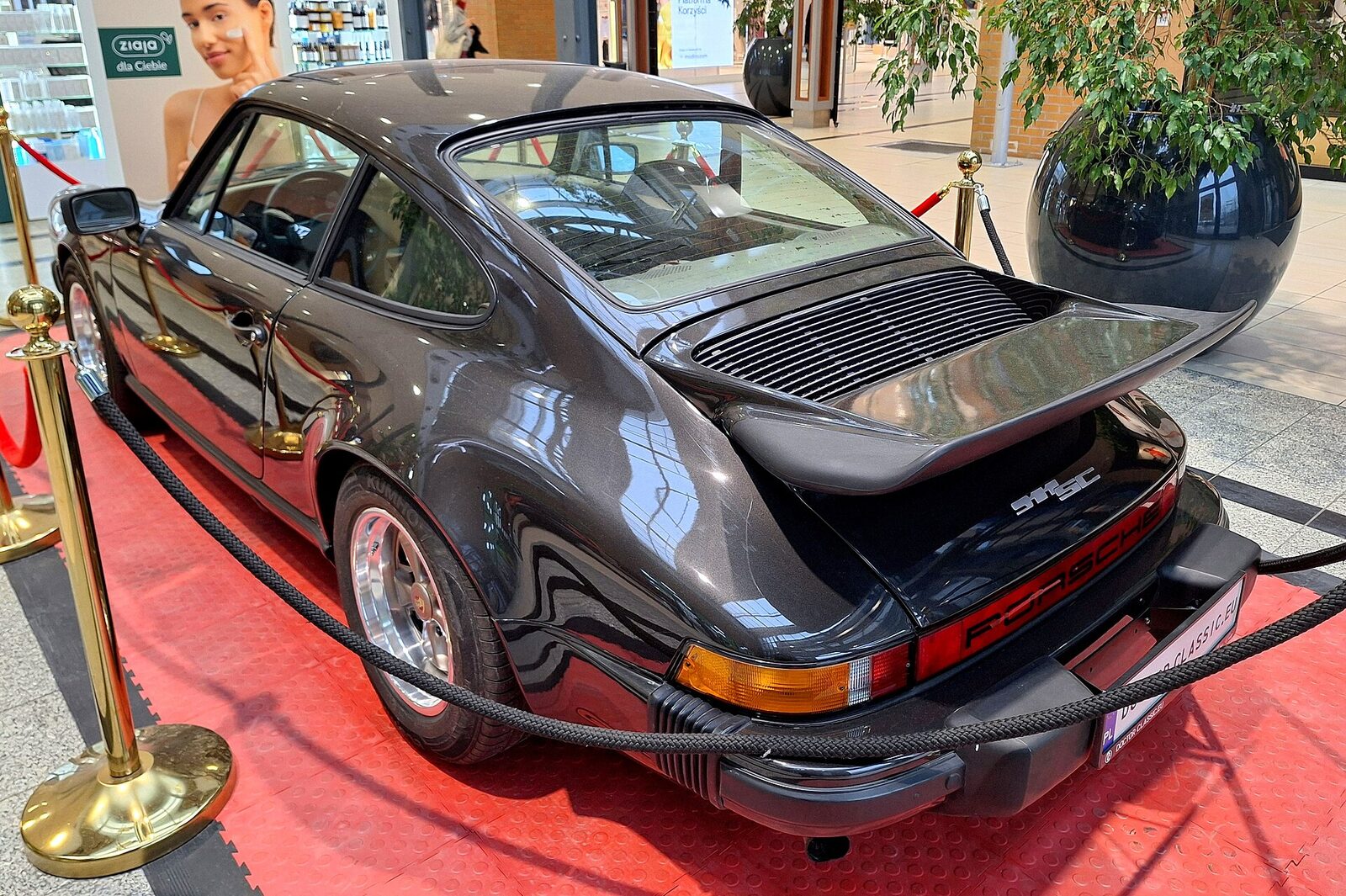
A 1980 Porsche 911 SC Weissach coupe with the whale-tail spoiler; spoilers are easy to add, so confirm a Sport car from its factory records.
Original colour and modifications
A colour change lowers value against an original-colour car, and cars with fibreglass body add-ons were described by Sports Car Market as ones to avoid.[2][5]
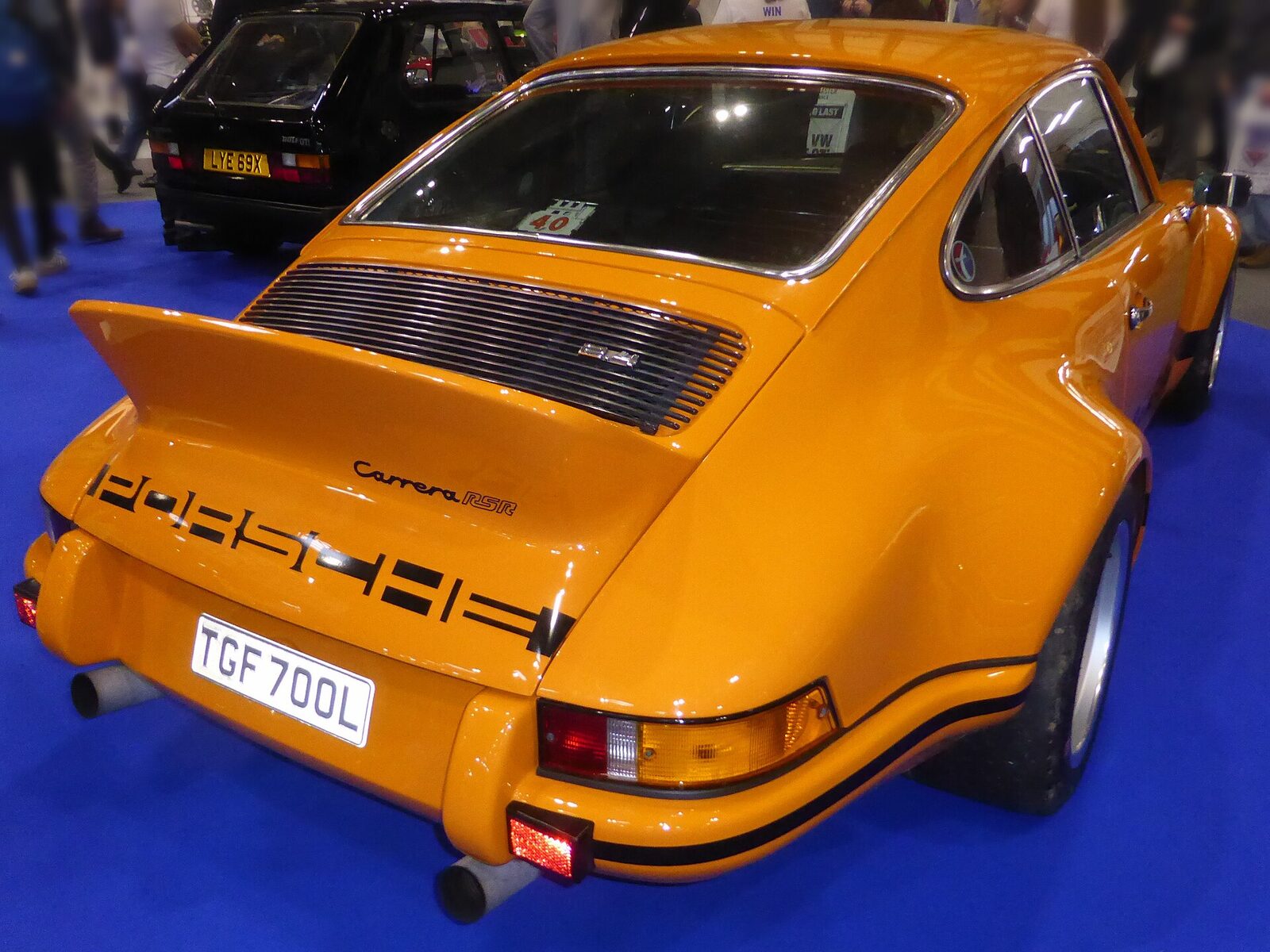
This Carrera RSR tribute was built from a 1980 911 SC, a reminder to check whether a car still has its original colour and body.
Which Porsche 911 SC should you buy?
Each model has its own guide to what sets it apart and what to check on it in particular.
| Model | Built | Power | Made |
|---|---|---|---|
| 911 SC (180/188 PS) | 1978–1980 | 180 PS; 188 PS for 1980 | Not yet sourced |
| 911 SC (204 PS) | 1981–1983 | 204 PS | Not yet sourced |
| 911 SC Cabriolet | 1983 | 204 PS | 4,214 |
- Porsche 911 SC (180/188 PS)
A 1979 Porsche 911 SC.
Photo: Staffan Andersson, CC BY-SA 4.0, via Wikimedia Commons. - Porsche 911 SC (204 PS)
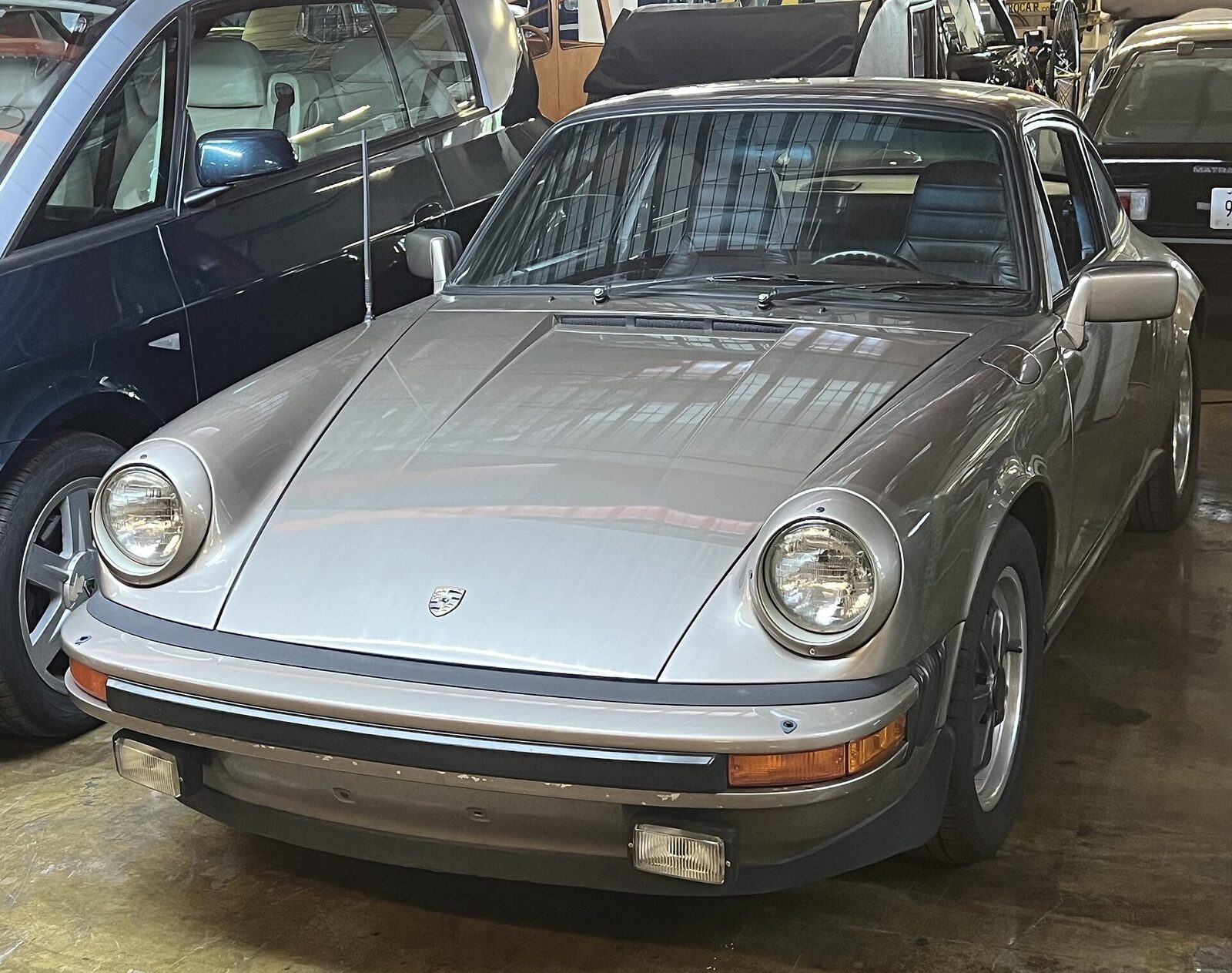
A 1983 Porsche 911 SC coupe, from the later 204 PS years, on display at the Lane Motor Museum.
Photo: TaurusEmerald, CC BY-SA 4.0, via Wikimedia Commons. - Porsche 911 SC Cabriolet
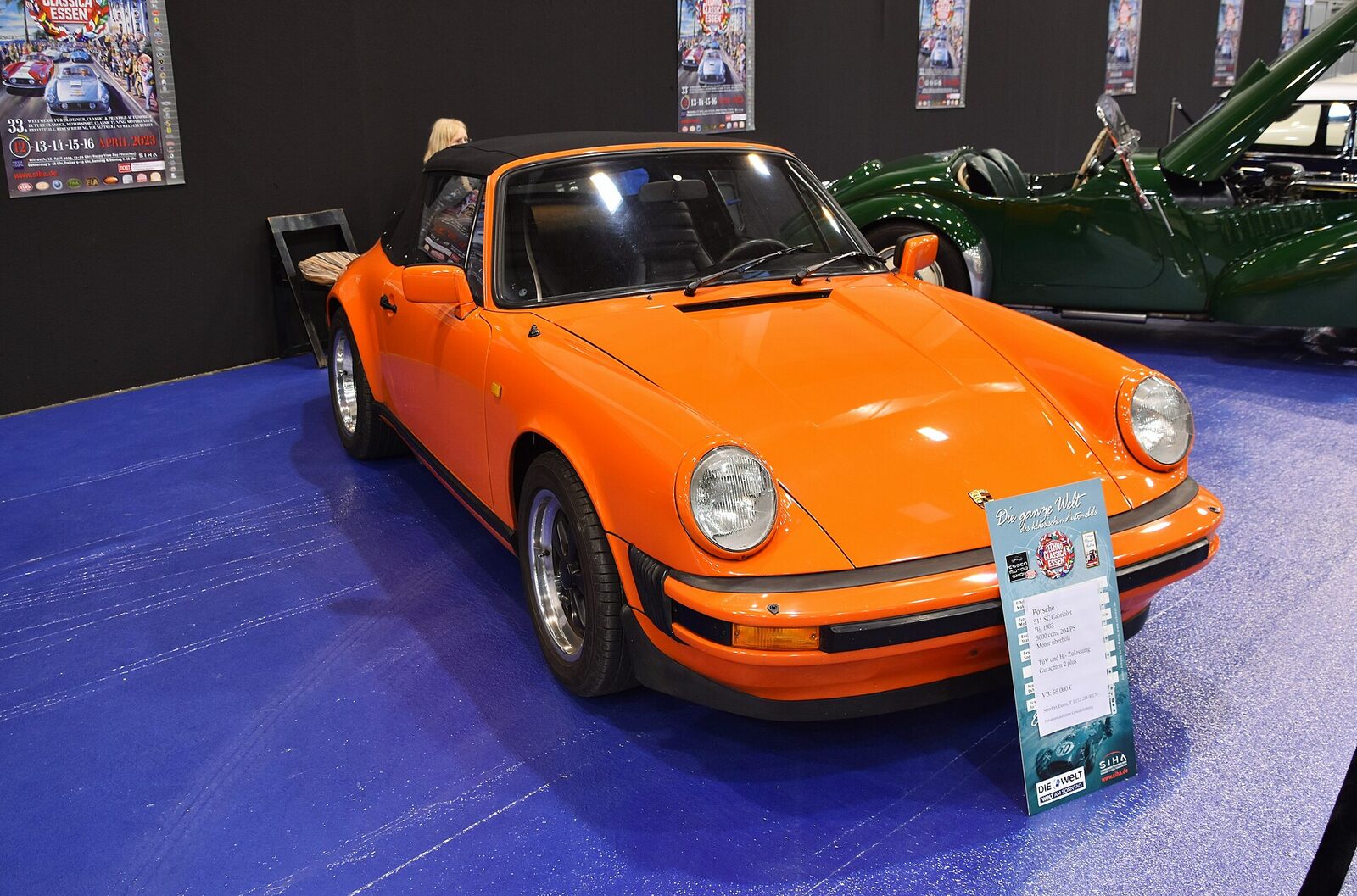
A 1983 Porsche 911 SC Cabriolet with the 204 PS 3.0-litre engine.
Photo: Charles from Port Chester, New York, CC BY 2.0, via Wikimedia Commons.
Inspection checklist: Porsche 911 SC
- 1Bodyshell and underbody rust
- 2Broken cylinder head studs
- 3Timing chain tensioners
- 4Bosch K-Jetronic (CIS) injection faults
- 5915 gearbox synchromesh
- 6Heat exchangers, heater valves and fans
- 7Oil leaks
- 8Suspension bushes, ball joints and steering
- 9Electrical relays and ancillaries
- 10Targa roof seals and water leaks
- 11Chassis number format changed for 1981
- 121983 option code sticker
- 13Porsche Production Specification and Classic Technical Certificate
- 14Year-correct trim
- 15Genuine 'Sport' specification
- 16Original colour and modifications
Questions
The ones to check first: bodyshell and underbody rust; broken cylinder head studs; timing chain tensioners; Bosch K-Jetronic (CIS) injection faults. Each is explained on this page with what to look for and the sources it comes from.
Work through these checks: chassis number format changed for 1981; 1983 option code sticker; Porsche Production Specification and Classic Technical Certificate; year-correct trim; genuine 'Sport' specification; original colour and modifications. Each is explained on this page with its sources.
58,914: All 911 SC models and bodies, 1978–1983, according to Peter Paternie, Porsche 911 Red Book (Motorbooks, 2000), p. 77, as cited on Wikipedia.
911 SC (180/188 PS) (1978–1980), 911 SC (204 PS) (1981–1983), 911 SC Cabriolet (1983). Each has its own guide to what's different about it.
14 specialists in our directory list pre-purchase inspections and work on the 911 SC. The directory shows where they are and how to contact them.
Sources
Every point above is numbered to the pages it comes from. Dates are the page's own, where it shows one.
- Peter Paternie, Porsche 911 Red Book (Motorbooks, 2000), p. 77, as cited on Wikipedia
- Porsche Club GB: Porsche 911 SC Buyers' Guide (Peter Morgan)
- Classic Car Reviews: Porsche 911 SC 3.0 (1978-1983) review and buying guide (Keith Adams) (updated 2026-09-20)
- Elferspot Magazine: Porsche 911 SC Buyer's Guide (Richard Lindhorst) (2024-09-26)
- Sports Car Market: 1978-83 Porsche 911SC (Jim Schrager) (2000-09-01)
- Hagerty Media: Your Handy 1974-1989 Porsche 911 (G-Series) Buyers Guide (Andrew Ganz) (2025-10-29)
- Porsche Newsroom: New online service charts the origins of your classic Porsche (2022-10-17)
- Porsche Classic: Model 911 SC