Buyer's guide · built 1948–1965
Buying a Porsche 356: common problems and what to check
The Porsche 356 was built from 1948 to 1965, 76,313 in all, and its hidden structure is the first thing to check: floors, longitudinals, battery box and the torsion tube mounts. Then the engine, the gearbox synchromesh and, on cars before the C, the drum brakes.
By Jon Kennedy, Porsche Enthusiast
Last reviewed 25 October 2026. Every point links the specialist, club, magazine or Porsche page it comes from.
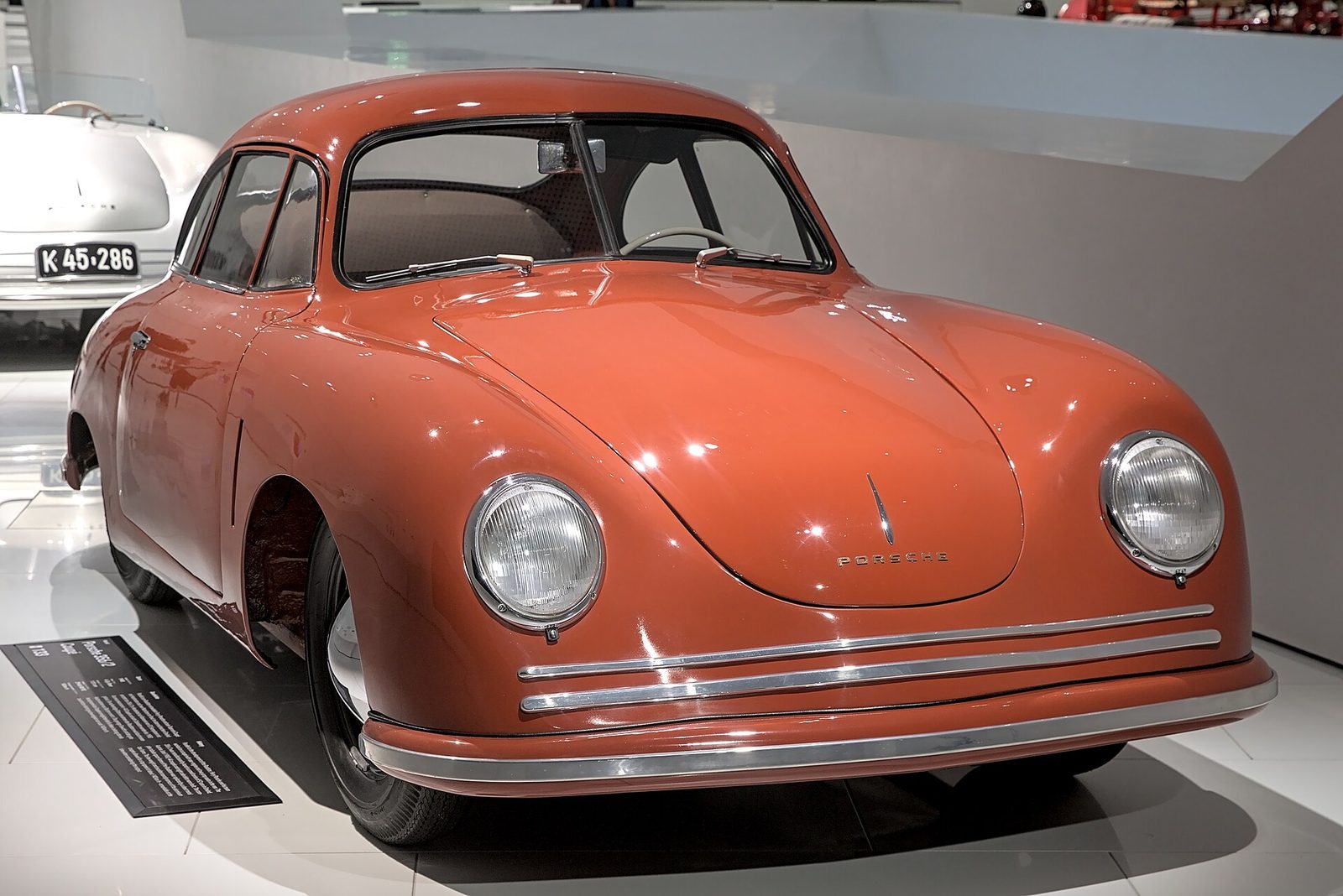
A Porsche 356/2 coupé at the Porsche Museum, one of the earliest 356s.
Do this next
In short
- Built
- 1948–1965
- Made
- 76,313
- Models with a guide
- 5
All 356 models and bodies, 1948–1965.[1]
What goes wrong on a Porsche 356?
The 11 problems to check on any 356. Where a source publishes a repair cost, it's shown as published, with its date.
Replicas and converted cars sold as Speedsters
Because a real Speedster costs so much, replicas and conversions are everywhere. They run from glass-fibre bodies on Volkswagen Beetle chassis to cars built from genuine 356 parts. Some are good cars to drive, but none is a factory Speedster, and engines get swapped and ordinary cars uprated too.[2][3][4]
What to check: Start with what the car was when it left the factory: chassis, engine, gearbox and body numbers against the Kardex or Certificate of Authenticity where one exists, checked by a recognised 356 specialist. A handbrake between the seats means a Beetle base; a 356's sits under the dashboard. Poor proportions give replicas away. Walk away from adverts vague about identity ('356 style', 'Speedster recreation') or priced far below genuine cars: PCA's guide tells of a cheap Speedster advertised in Minnesota whose photos showed palm trees, which was a scam.
Applies to: 356 Speedster
Floors, longitudinals and jack points
The 356 had minimal factory rustproofing and no galvanised steel, and the floor pans and longitudinals (the box members along each side of the floor that carry much of the car's strength) rot from the inside. Rust shows up mostly where the longitudinals join the floor perimeter, and at their front and rear ends. A good exterior says little about this hidden structure.[2][3][4][5]
What to check: Inspect on a lift with the carpets up. Look for rust along the floor perimeter and longitudinals, and ask whether the longitudinals were fully replaced or patched (a horizontal lap joint near the door sill means a partial repair). Original jack points are thick-walled square tube, blunt-looking, sit close to the sheet metal and are spot-welded to the longitudinal; reproductions stand further out. A dent-free floor and longitudinals suggest past replacement.
Battery box
The front battery box collects water and battery acid and is one of the usual corrosion spots, along with its sides, lower area and the bumper mount next to it. A rotted battery-box floor that has also gone at the perimeter, front and rear is a difficult repair.[2][3][4][5]
What to check: Look under the front lid and from underneath at the battery box floor, sides and bumper mount. On 356 A cars (except Speedsters) and T5 356 B cars, damaged tar-paper sound deadening beside the battery box usually points to past front-end damage.
Torsion tube areas and suspension mounts
The outer ends of the front torsion tubes, especially where the tie rods pass through, rust, and the tubes are not sold as parts, so damaged areas have to be remade or patched. Suspension mounting points and the front nose structure are also on the usual corrosion list.[2][3][5]
What to check: Check the outer torsion tube ends, rear suspension mounts and the nose structure from underneath, and ask what has been repaired and by whom.
Doors, wings, wheel arches and lids
Body rust appears at the front edge of the front lid, about an inch above and at the bottom of the doors, in the lapped closing panel behind each front wheel (which can wick water into the longitudinal and floor), in the front wheel-well closing panels where failed caulk traps debris, at the wheel-opening edges behind the wire reinforcement, at the top of the rear wings and below the rear quarter windows, and in the inner rear wheel wells where quarter-window leaks soak the sound deadening. The oval fog-light openings on B and C cars trap debris behind the bumper.[4][5]
What to check: Go round each of these spots. Look for dimpled paint, bubbles in the sound deadening, and for swollen lead at the rocker-to-wing lap joint. The folded door skin and the rear of the front wing should measure about 0.13 inch thick; lumps or bulges suggest rust repair.
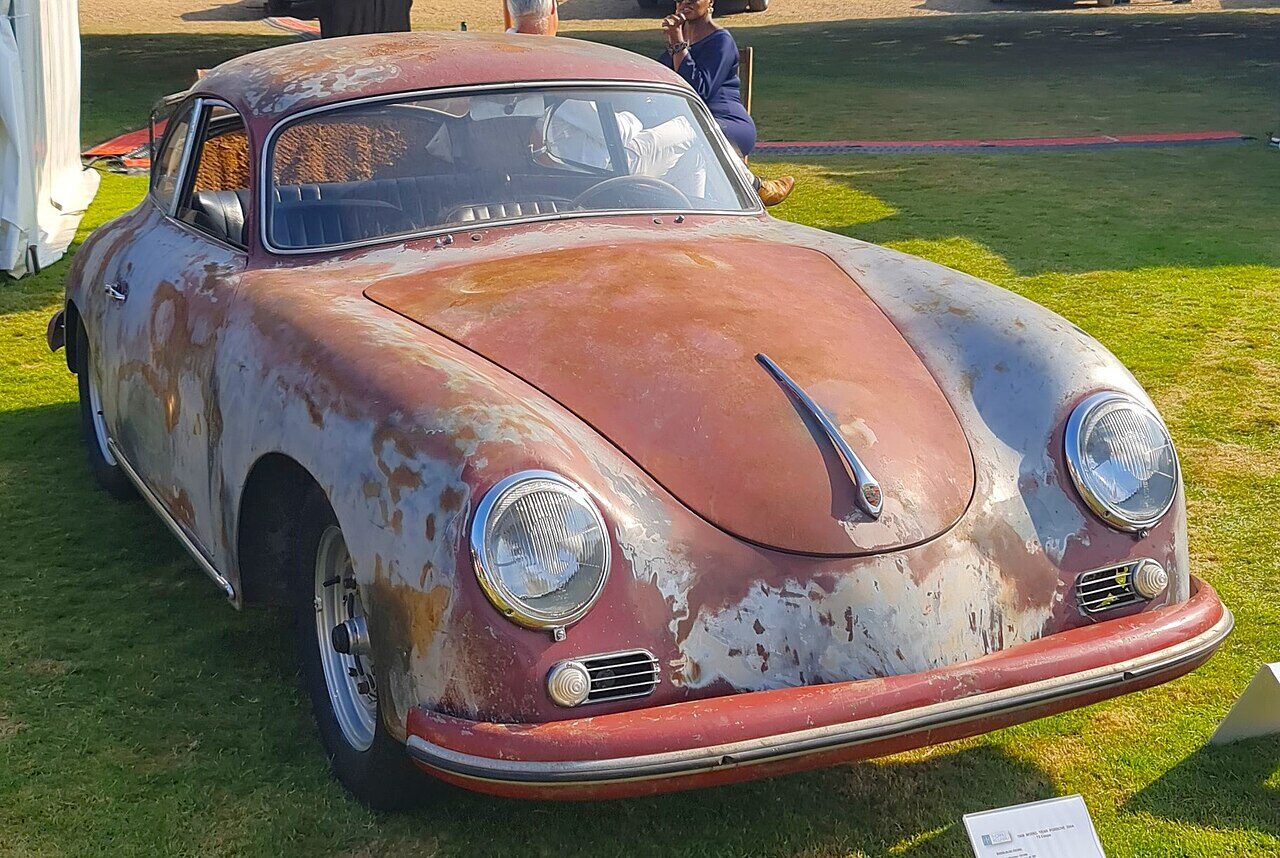
An unrestored Porsche 356 A shows how rust spreads across the lids, wings and doors that a buyer must check closely.
Past accident damage and poor repairs
Many 356s have had front or rear clips grafted on after accidents, often lap-welded in the wrong place, and these joints can later rust through. Fresh paint and underseal can hide poor repairs, and uneven gaps or doors that do not shut properly can indicate a bent shell.[2][3][4][6]
What to check: Look for lap welds about six inches behind the headlights or down the nose, seam-welded panels (the factory used spot welds), underbody patches, filler (use a magnet or paint-depth gauge) and a kink just ahead of the front-lid hinge mounts. Door and lid gaps should be about 3mm. Ask for documentation and photos of any restoration and who did it.
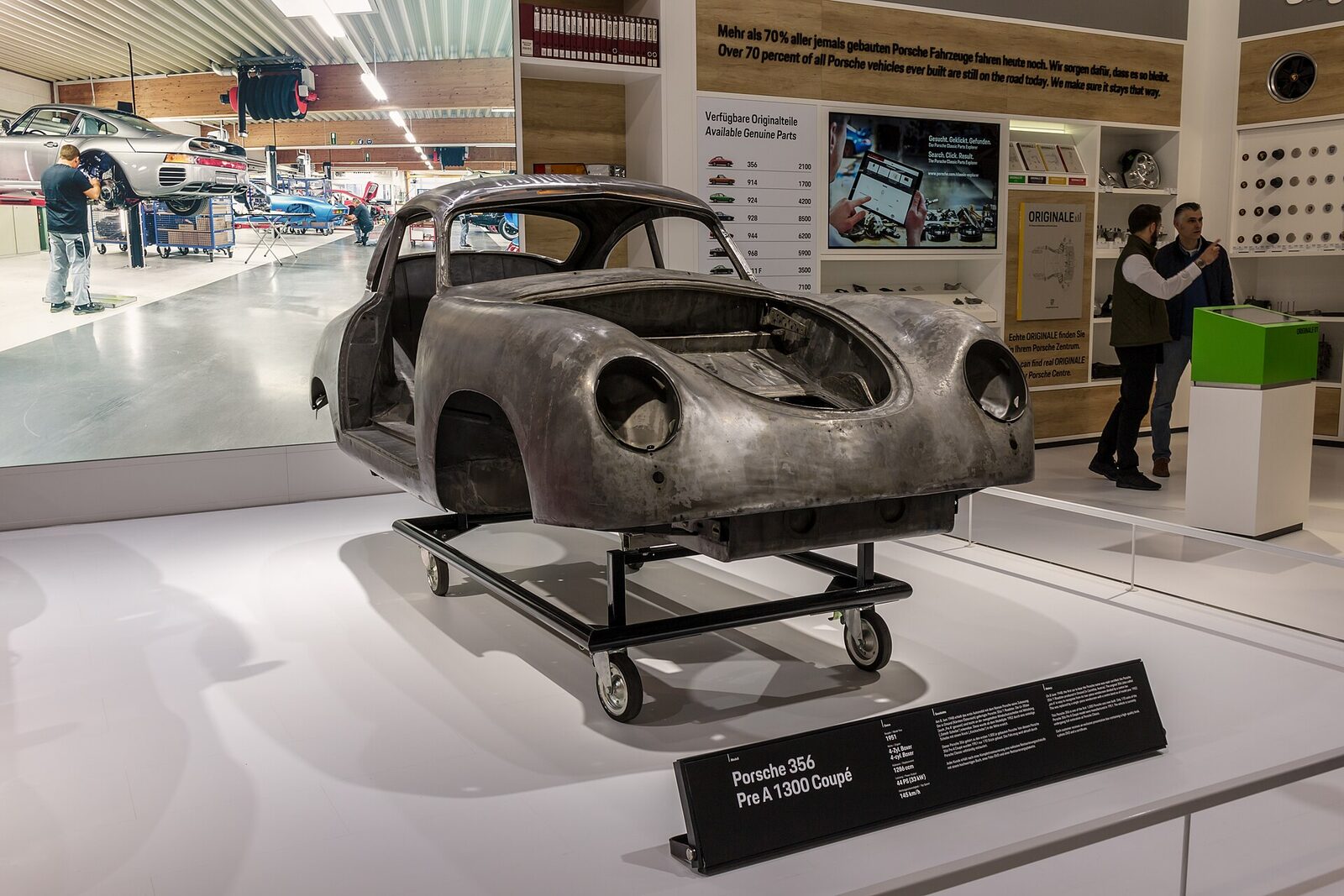
A Porsche 356 pre-A body shell stripped to bare metal, the state in which past accident damage and poor repairs come to light.
Engine condition, leaks and tune
Pushrod engines are well understood, but rebuilds are expensive and the result depends on the quality of past work. Oil and fuel leaks from pipes and gaskets are common, and worn ignition parts and tired Solex or Zenith carburettors that need careful tuning are frequent faults. Four-cam Carrera engines are far more complex and costly to rebuild.[2][3][6]
What to check: Look for significant oil leaks, smoke, rough running, poor starting, overheating or lack of power; the engine should feel crisp. Ask for rebuild invoices and who did the work. On a Carrera, confirm a four-cam engine is fitted and that it belongs to the car.
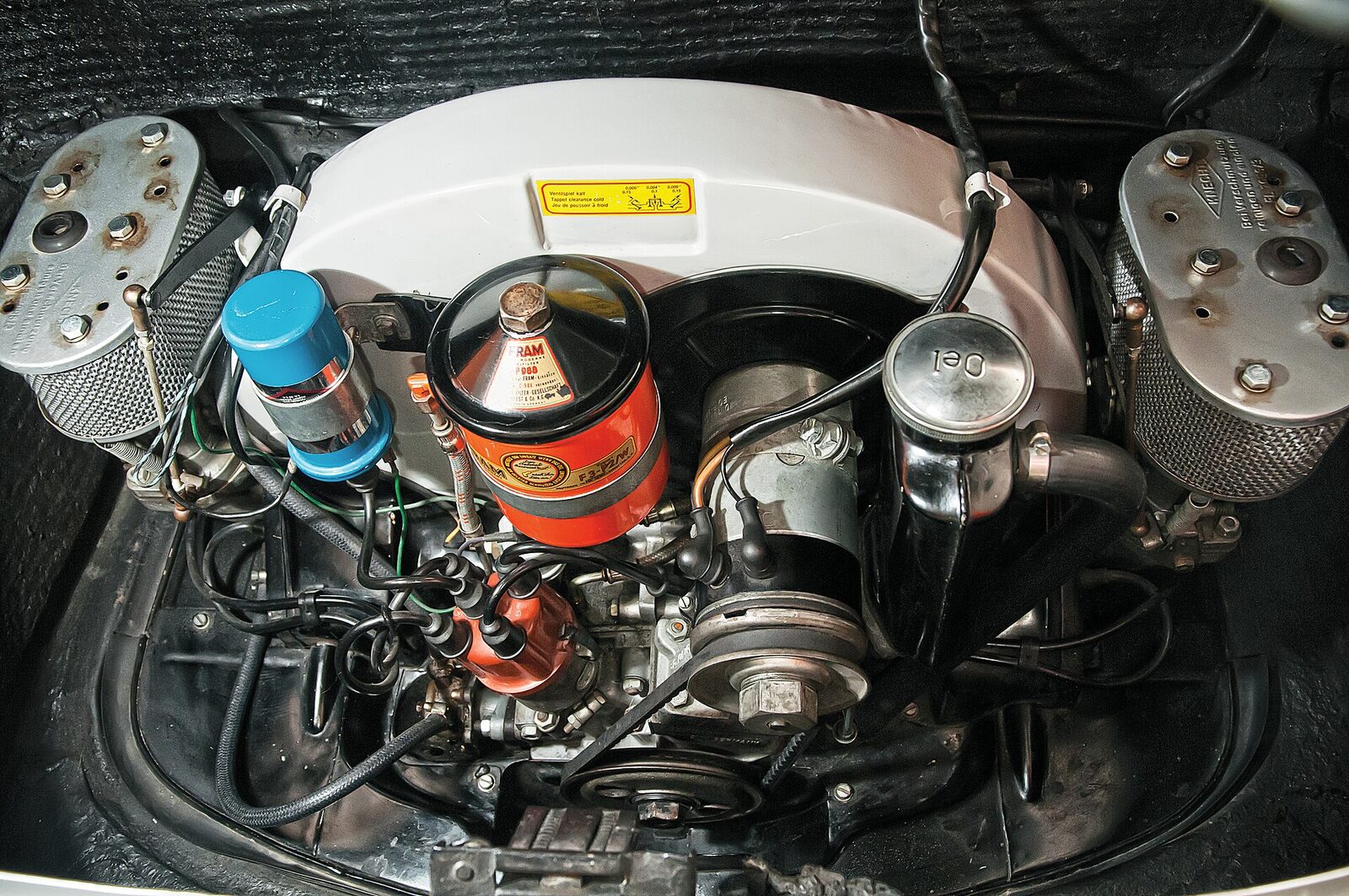
The four-cylinder boxer engine of a Porsche 356 coupe: on a test car, look here for oil leaks, a tidy tune and correct fittings.
Gearbox synchromesh and linkage
Worn synchromesh and worn shift linkage are the usual gearbox faults. The earliest Pre-A cars used a non-synchromesh VW transaxle until mid-1952, after which a fully synchronized Porsche gearbox was fitted.[2][4][6]
What to check: On the road, check that changes are positive and that gears do not crunch heavily. Transmission serial numbers can confirm whether the gearbox is original, but you need a jack or lift to read them.
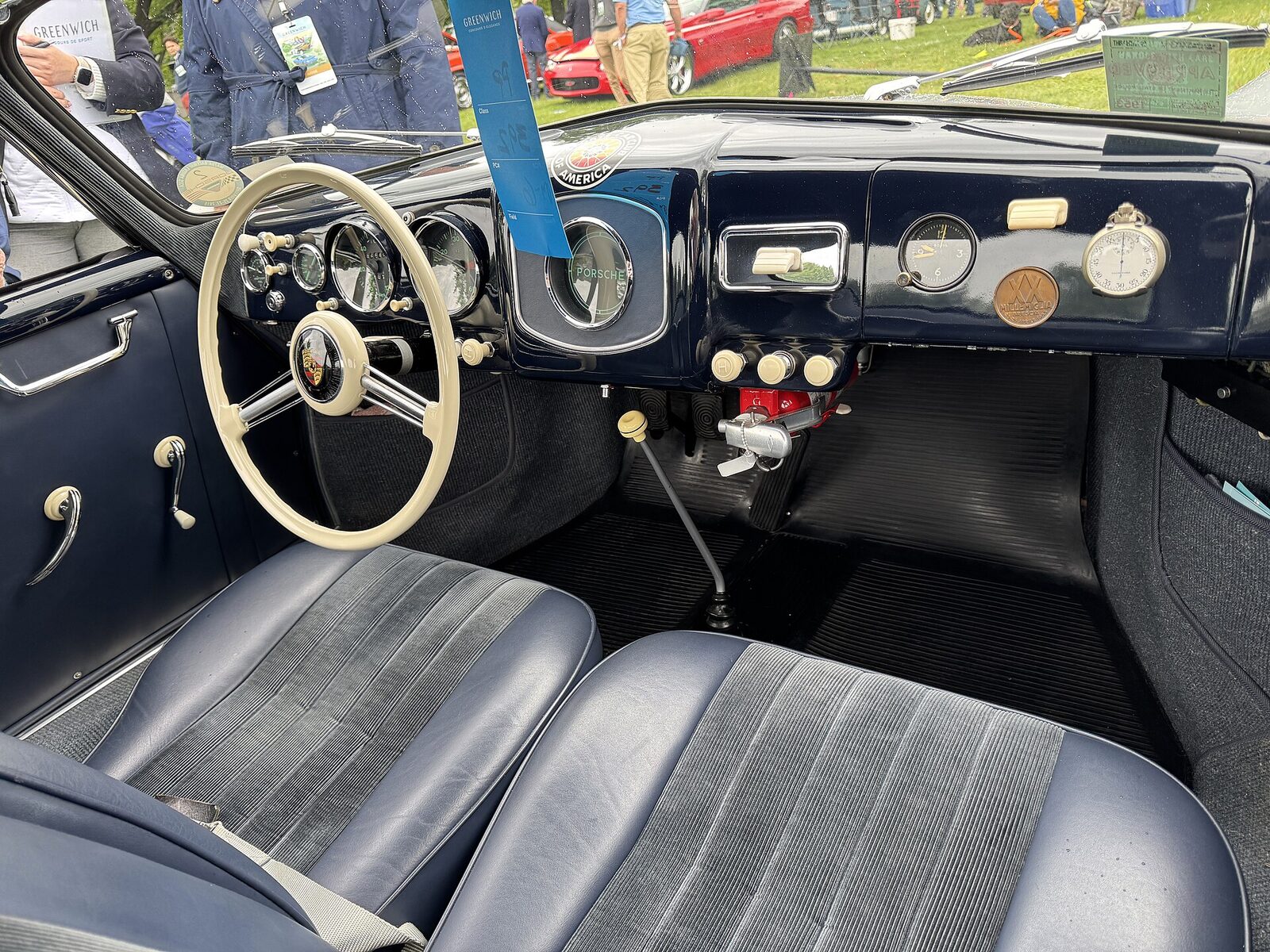
The cockpit of a 1953 Porsche 356 1500 Super, with the floor-mounted gear lever whose linkage and synchromesh you should feel on a test drive.
Drum brakes on pre-C cars
Pre-A, A and B cars use drum brakes, which are often poorly adjusted and can be weak. Four-wheel disc brakes arrived as standard with the 356 C (the Carrera 2 had discs earlier), and fitting C discs to earlier cars is a common upgrade.[2][3][6]
What to check: Brake hard on the test drive; the car should stop straight without pulling. If discs are fitted to an earlier car, note it as a non-original upgrade.
Applies to: 356 Pre-A, 356 A, 356 B
Steering and suspension wear
Steering and suspension parts wear early if they are not lubricated, even on low-mileage cars.[2][6]
What to check: Feel for looseness at the steering wheel, listen for rattles or clonks over bumps and potholes, and check that the car steers accurately.
Six-volt electrics and fuel tank rust
Early cars have weak six-volt electrics and many have been converted to 12 volts. Rust inside the fuel tank can clog the mechanical fuel pump and filters.[4][6]
What to check: Ask whether the car is still six-volt or converted (the correct battery for an original car is a 6V tar-top with external cell connectors). Ask about fuel-starvation symptoms and whether the tank has been cleaned or replaced.
Our take: Pay for the structure before the shine. Floors, longitudinals, the battery box and the torsion tube mounts are where restoration money goes, and a good exterior tells you little about them, so have the car on a lift with the carpets up before you talk price.
How do you check a Porsche 356 is original?
Kardex and Certificate of Authenticity
The factory Kardex card was a warranty record, not a build sheet. It lists chassis, engine and transmission numbers (and any replacement engine or gearbox), colours, options, the dealer and first owner. Porsche Cars North America says the original Kardex can't be released. The Certificate of Authenticity it once sold, which transcribed part of the Kardex, was renamed the Porsche Production Specification in 2019 and costs $150; its Classic Technical Certificate also checks the engine and gearbox numbers now in the car. Older COAs vary and some are incomplete or wrong, and the 'Birth Date' is when the car left the factory, not its build date. Compare the numbers on the car with the Kardex or COA.[2][3][7][8]
Stamped chassis, engine, gearbox and body-panel numbers
The factory stamped serial numbers into the chassis, engine and transmission, and stamped the last digits of the chassis number into removable body panels so they stayed with the right car. The three pieces of a three-piece crankcase should carry the same three-digit number, and case casting numbers can show whether a stamped engine number fits the right engine series. Check the fonts and look for welding around or under the chassis number stamping. On 1962 to 1965 cars a second chassis number sits under the passenger-side door hinge cover, with a chassis-number tag on the driver-side hinge cover.[4][9]
Restamped engines and transplanted chassis numbers
The Porsche 356 Registry warns of restorations that stamp another car's number onto chassis plates or a new bulkhead, cut the bulkhead stamping out of one car and weld it into another, or stamp engine numbers onto substitute timing-case covers to fake a matching-numbers engine. Some of these are used to turn an ordinary car into a Convertible D, Speedster or Carrera. Replacement engines can also be restamped to match. Demand full documentation of any restoration, particularly on special or high-value models.[3][6][9]
Replicas on VW running gear
Replicas, especially of the Speedster, are common and many use a VW Beetle chassis and running gear. Be wary of adverts saying '356 style' or 'built to 356 specification'. Clues include a Beetle-like engine bay, wrong wheel offset, an unusually wide track, oversized modern discs, replica alloys and newer suspension parts. A genuine 356's handbrake is under the dashboard; one between the front seats points to a Beetle base.[2][3]
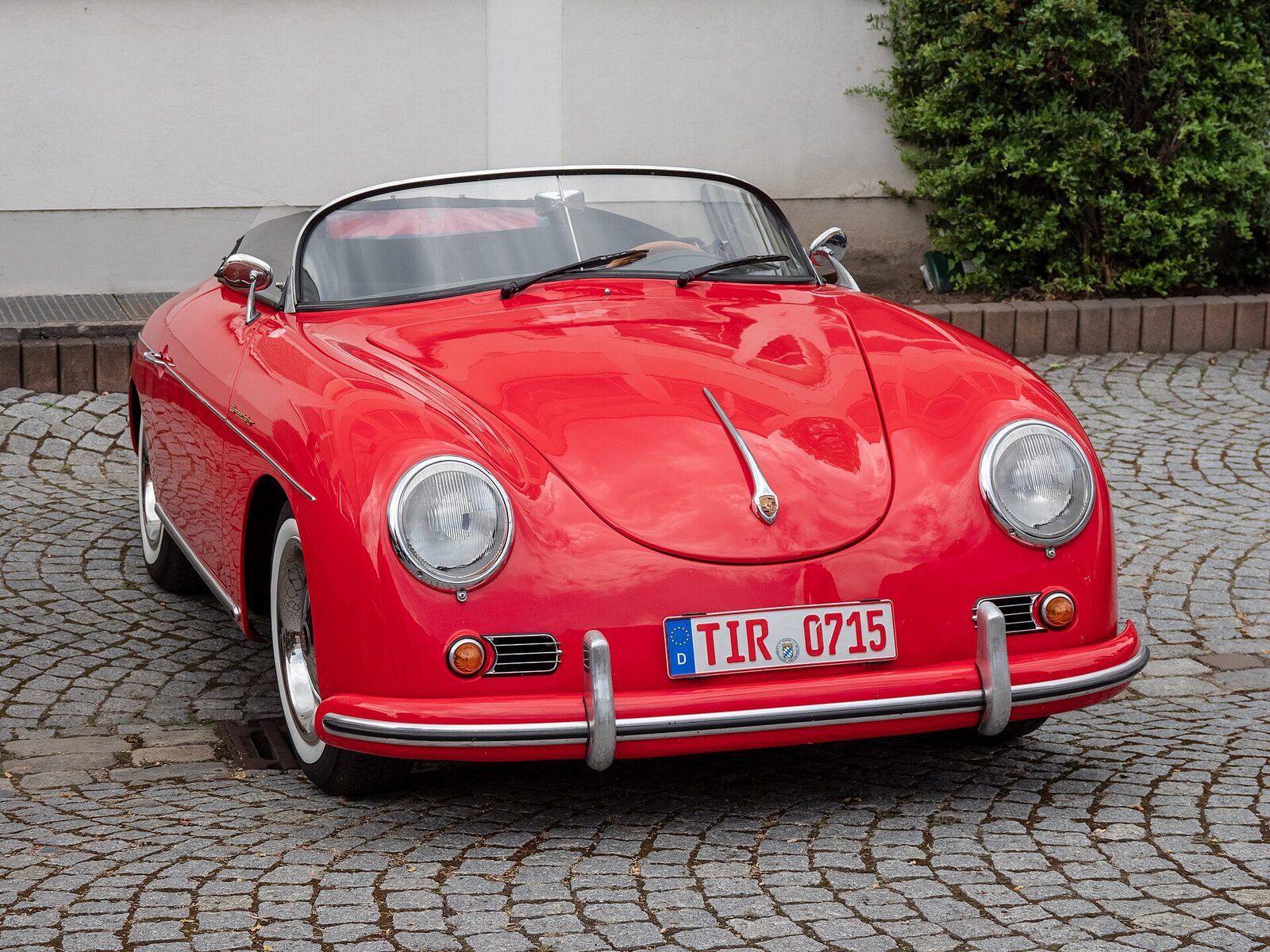
A Porsche 356 A Speedster replica: from the outside many look convincing, so check the numbers and the running gear underneath.
Engine type and parts that should not be there
Engines were often replaced during the cars' used-car years, so check what is fitted. A 912 engine can be identified by bosses with threaded nuts for a rear engine mount and by type 616/36 or 616/40. Pushrod engines never had Weber carburettors from the factory, and wrong carburettors usually mean wrong air cleaners and manifolds too. A period-correct replacement engine is worth less than a documented matching-numbers one.[3][4]
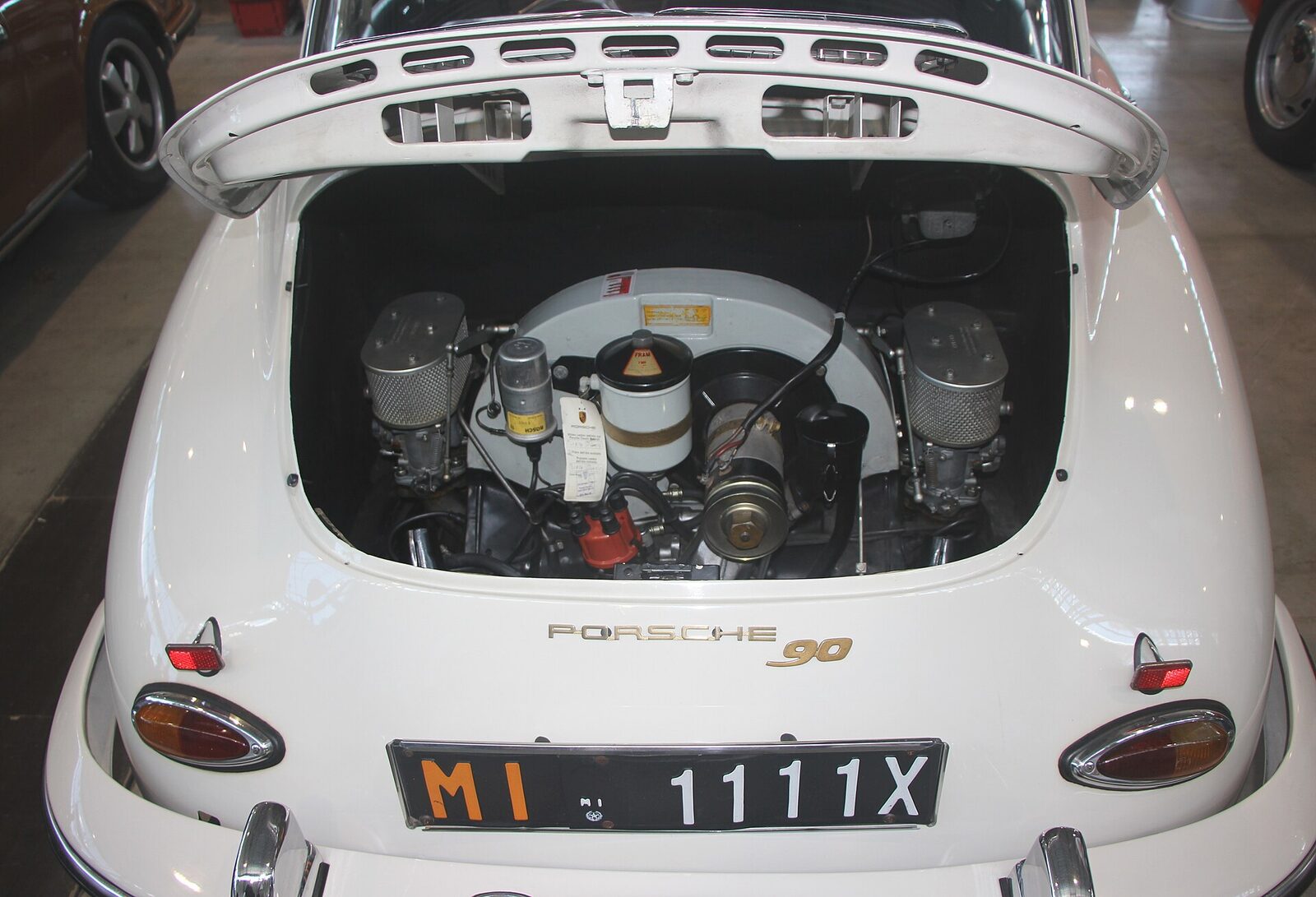
The engine bay of a Porsche 356 B Super 90: check that the engine type matches the model the car is sold as.
Which Porsche 356 should you buy?
Each model has its own guide to what sets it apart and what to check on it in particular.
| Model | Built | Power | Made |
|---|---|---|---|
| 356 Pre-A | 1948–1955 | 35 PS (first cars) | 7,627 |
| 356 A | 1956–1959 | 44–75 PS; Carrera 100 PS | 21,045 |
| 356 B | 1960–1963 | 60–140 PS | 30,963 |
| 356 C | 1964–1965 | 75–95 PS; Carrera 130 PS | 16,684 |
| 356 Speedster | 1954–1958 | 110 PS (Carrera GT only) | 4,145 |
- Porsche 356 Pre-A
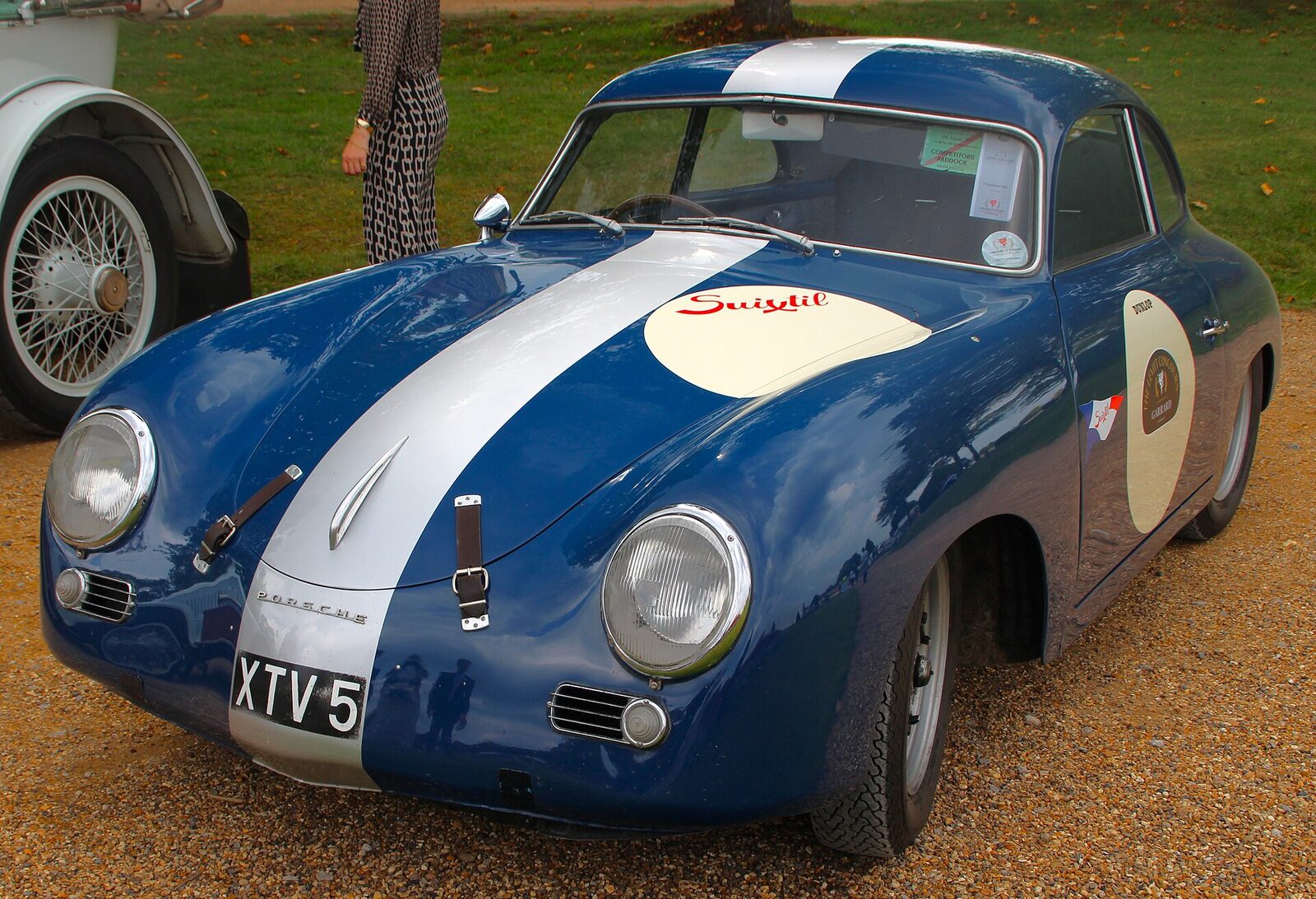
A 1955 Porsche 356 pre-A coupe, the earliest 356 series, shown at the Hampton Court Concours in 2022.
Photo: MrWalkr, CC BY-SA 4.0, via Wikimedia Commons. - Porsche 356 A
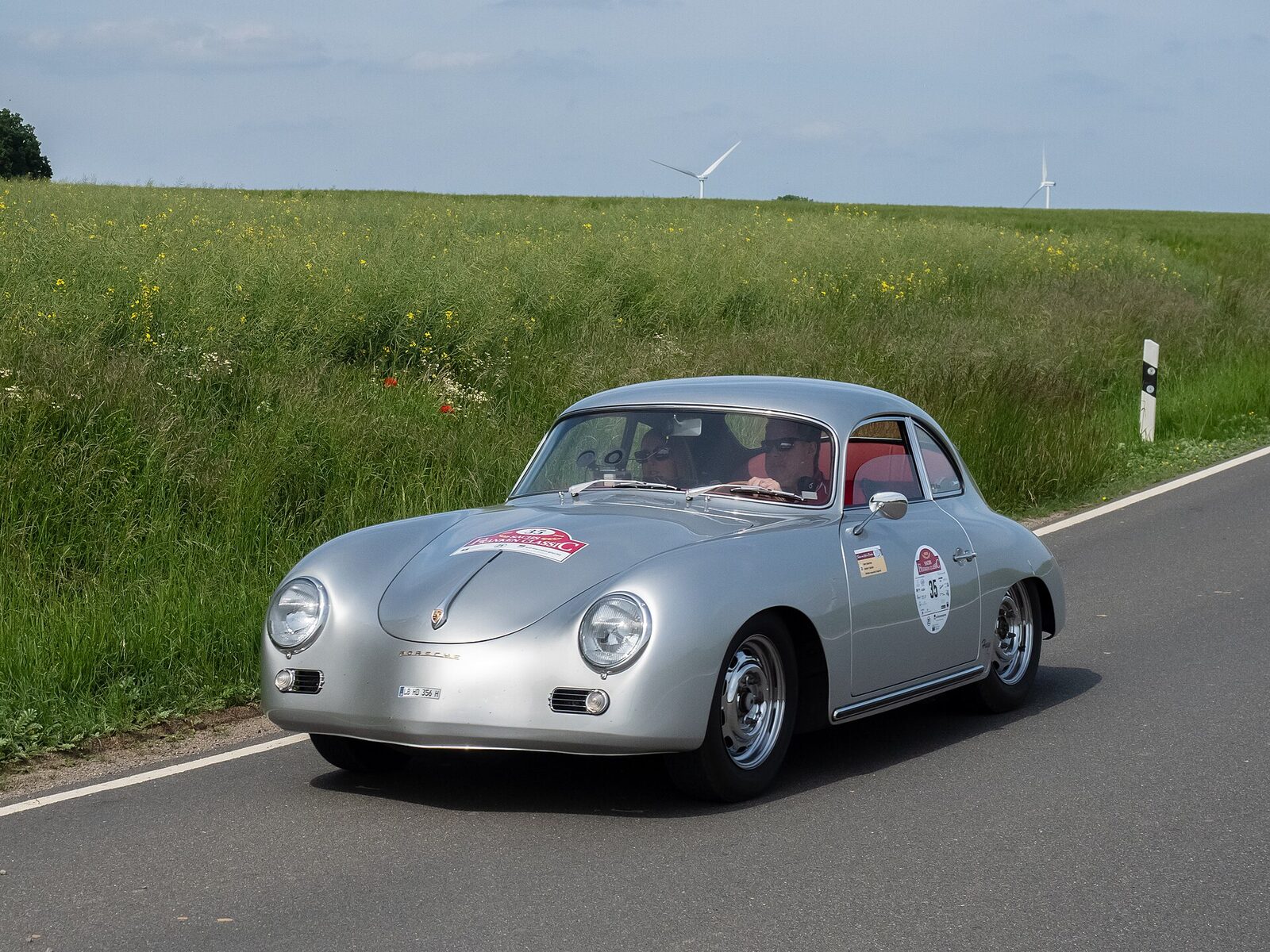
A silver Porsche 356 A coupe in T2 form, photographed on the Sachs Franken Classic rally in 2018.
Photo: Ermell, CC BY-SA 4.0, via Wikimedia Commons. - Porsche 356 B
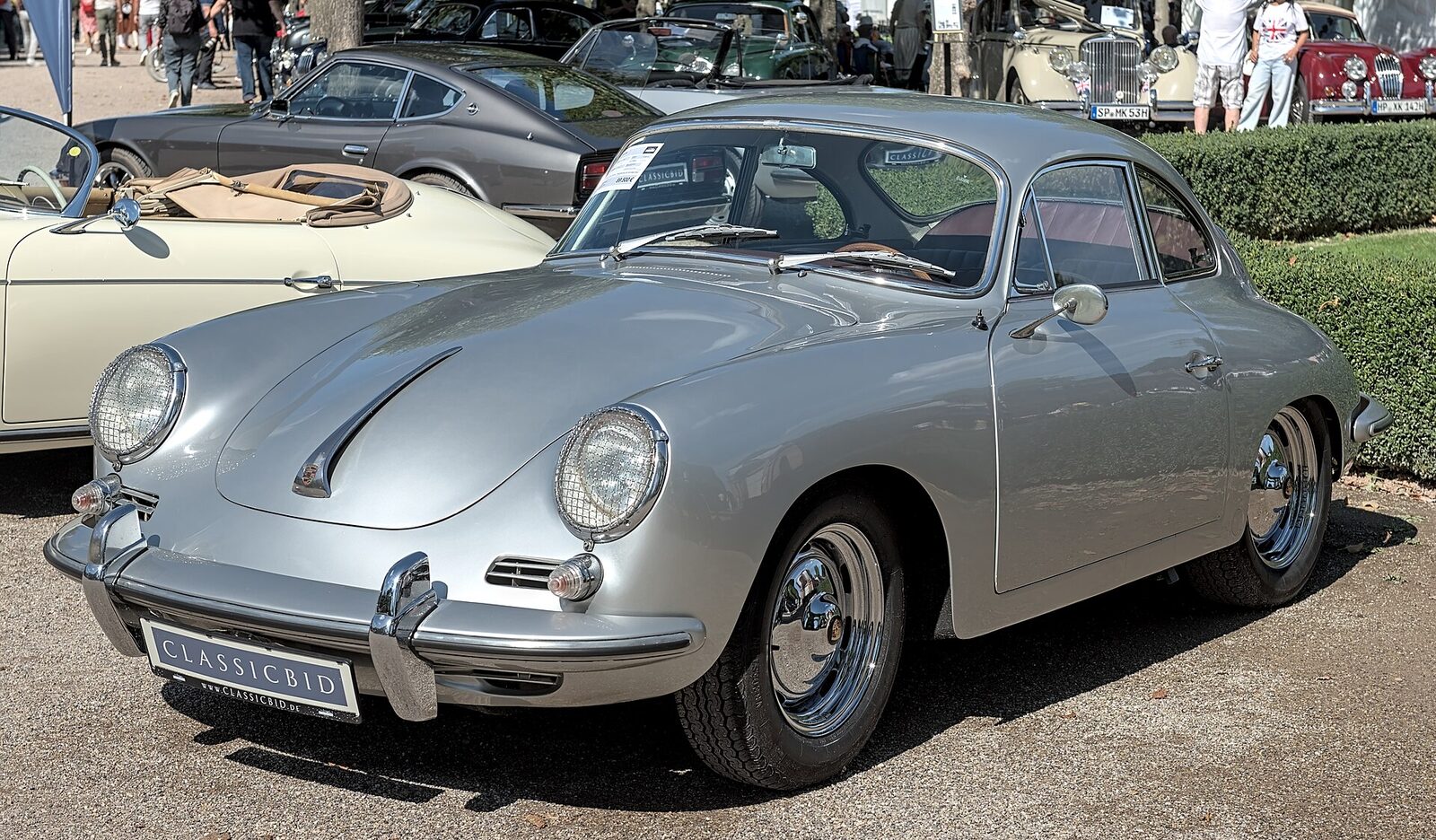
A 1963 Porsche 356 B coupe in silver, shown at the Classic-Gala Schwetzingen in 2025.
Photo: Alexander Migl, CC BY-SA 4.0, via Wikimedia Commons. - Porsche 356 C
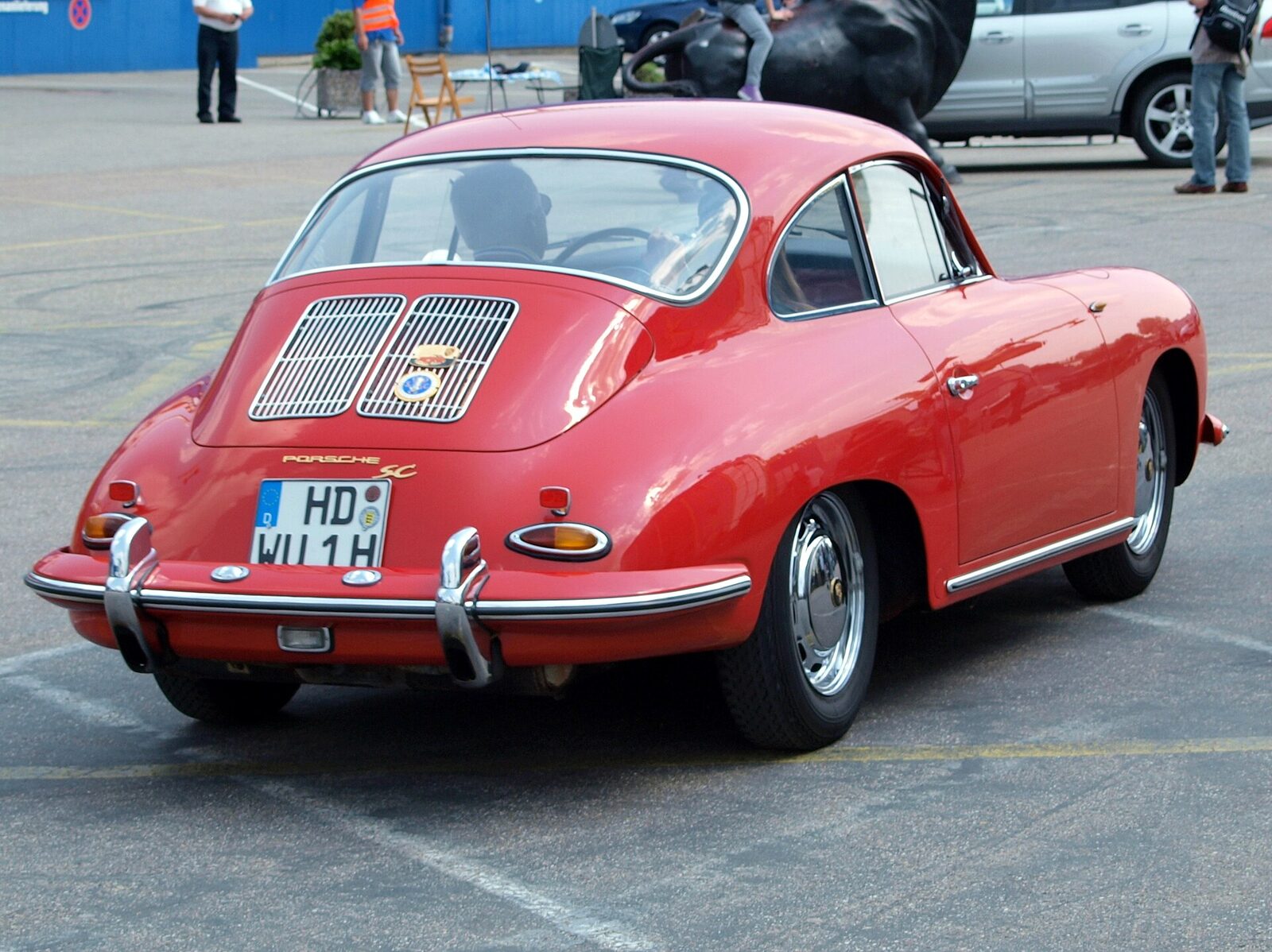
A red 1964 Porsche 356 C coupé, a 1600 SC, at the Kurpfalz-Klassik meeting in Sinsheim in 2009.
Photo: AlfvanBeem, CC0, via Wikimedia Commons. - Porsche 356 Speedster
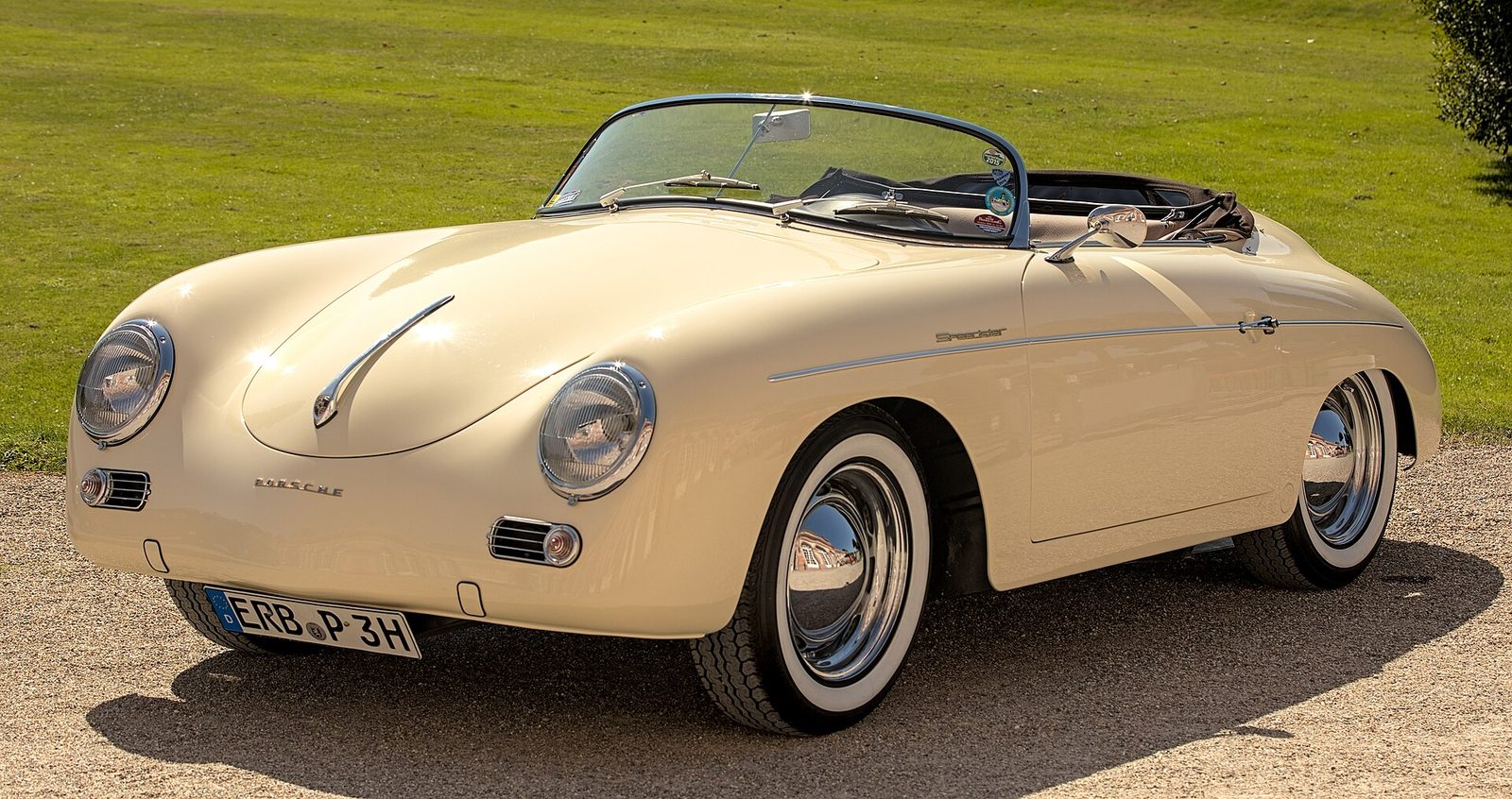
A Porsche 356 A Speedster at the Classic-Gala in Schwetzingen in 2021: the low, raked windscreen is the Speedster's tell.
Photo: Alexander Migl, CC BY-SA 4.0, via Wikimedia Commons.
Inspection checklist: Porsche 356
- 1Replicas and converted cars sold as Speedsters
- 2Floors, longitudinals and jack points
- 3Battery box
- 4Torsion tube areas and suspension mounts
- 5Doors, wings, wheel arches and lids
- 6Past accident damage and poor repairs
- 7Engine condition, leaks and tune
- 8Gearbox synchromesh and linkage
- 9Drum brakes on pre-C cars
- 10Steering and suspension wear
- 11Six-volt electrics and fuel tank rust
- 12Kardex and Certificate of Authenticity
- 13Stamped chassis, engine, gearbox and body-panel numbers
- 14Restamped engines and transplanted chassis numbers
- 15Replicas on VW running gear
- 16Engine type and parts that should not be there
Questions
The ones to check first: replicas and converted cars sold as Speedsters; floors, longitudinals and jack points; battery box; torsion tube areas and suspension mounts. Each is explained on this page with what to look for and the sources it comes from.
Work through these checks: Kardex and Certificate of Authenticity; stamped chassis, engine, gearbox and body-panel numbers; restamped engines and transplanted chassis numbers; replicas on VW running gear; engine type and parts that should not be there. Each is explained on this page with its sources.
76,313: All 356 models and bodies, 1948–1965, according to Brian Long, Porsche 356 (Veloce, 2008), p. 188, as cited on Wikipedia.
356 Pre-A (1948–1955), 356 A (1956–1959), 356 B (1960–1963), 356 C (1964–1965), 356 Speedster (1954–1958). Each has its own guide to what's different about it.
14 specialists in our directory list pre-purchase inspections and work on the 356. The directory shows where they are and how to contact them.
Sources
Every point above is numbered to the pages it comes from. Dates are the page's own, where it shows one.
- Brian Long, Porsche 356 (Veloce, 2008), p. 188, as cited on Wikipedia
- Goodwood Classic Solutions: Porsche 356 buyer's guide (Simon Ostler) (2023-07-07, updated 2026-07-08)
- Sports Car Market: Buyer's Guide to the Porsche 356 (updated 2026-10-01)
- Porsche Club of America: Model Guide: 356 — The Simple Porsche (David Seeland) (2017-06-27)
- klasse356.com: DIY 356 Restoration, Chapter 3, Finding and inspecting cars (Trond V. Olsen)
- 9WERKS: Ultimate Porsche 356 buyer's guide (Tim Pitt, with Williams Crawford and Philip Raby Specialist Cars)
- DerWhite's 356, 911 & 912 Porsche Literature: Kardex v. Certificate of Authenticity (Charlie White) (2007-08-23, updated 2014-03-02)
- Porsche Cars North America: Vehicle documentation FAQs (updated 20 February 2026)
- Porsche 356 Registry: Porsche Factory Numbers